by Prompt Personnel | Feb 19, 2024 | Human Resources
Bias, defined as a predisposition to favour certain people or ideas over others, can have detrimental effects on the workplace. It can stop some people from getting jobs and prevent companies from enjoying all the benefits of having a diverse group of employees.
When we talk about what’s right and wrong in a group, often, we tend to agree on stuff based on how we were raised and the culture around us. Because of this, we naturally like people who share our beliefs. Due to this emotional closeness, individuals may inadvertently disregard someone who merits a certain opportunity more. Instead, they may allocate the opportunity to someone they already harbor positive feelings for.
Hence, what we interpret as consensus within the group is essentially an expression of bias, frequently operating subconsciously and escaping numerous individuals’ awareness.
When unconscious bias seeps into the recruitment process, its repercussions echo throughout employee interactions. This phenomenon can lead to an escalation of conflicts among colleagues, reduced coordination with team leaders, and subsequent chaos that disrupts the smooth operation of businesses. Ultimately, this sets off a chain reaction of problems businesses strive to avoid at all costs.
However, there are ways to overcome this obstacle. By implementing a well-structured recruitment process that considers various psychological factors, our HR consultants in India can plan the entire hiring process accordingly. Keep reading to learn more about how Prompt Personnel makes it happen.
What are unconscious biases in the recruitment process?
Unconscious bias in hiring is when you judge candidates based on your first thoughts or things that don’t really matter for the job. This can mean you end up with less diverse teams, which isn’t good for business. Being aware of these biases and making decisions with more thought can help make hiring better.
For example, unconscious bias might happen when a company representative prefers one candidate over another simply because they seem like someone, they’d be friends with outside of work. Or maybe this bias might also stem from the candidate sharing similar beliefs or attending the same school as the representative. On the flip side, there have been instances where the representatives have unfairly judged someone based on factors such as the candidate’s location, religion, gender, or regional culture, even though these traits have no bearing on their ability to perform the job.
Companies put in a lot of effort to make sure they’re fair when hiring new people. Recognizing this trend across various industries, our HR services have developed a systematic approach to help companies effectively eliminate any biases.
How can we handle unconscious bias when hiring for diversity?
Diversity hiring also called inclusive recruitment, means hiring without letting bias affect decisions. It means not judging someone based on things like age, race, gender, or sexual orientation – things that don’t matter for the job.
To make this happen, it’s important for recruiters to recognize their biases. Identifying and eliminating biases are interconnected; one can’t happen without the other. Here’s what we do:
Have you ever thought about how the words we use every day might show a bias toward a certain gender? When we write job descriptions, the language we choose can affect who applies for the job.
Studies have shown that women are less likely to apply for jobs if the job description uses words that are seen as more masculine, like “active,” “confident,” and “driven.” Interestingly, using words that are seen as more feminine, like “interpersonal,” “honest,” and “supportive,” doesn’t have much of an effect on whether men apply for the job or not.
-
Introduce blind skills challenges
Even though resumes are a quick way for a hiring manager to learn about potential candidates, there’s some information on resumes that can lead to unconscious bias. One solution is to encourage ‘blind applications’ that remove details like race, nationality, gender, and age—things that can lead to biased decisions.
We work closely with the concerned employers and can create custom tests that mimic the challenges of the job itself. Then, they review the applications without knowing the candidates’ personal details and offer interviews based on their scores.
This approach doesn’t just address gender imbalance; it can also get rid of biases related to educational and ethnic background, as well as age.
-
Make your interview process structured
When it’s time for interviews, some hiring managers might prefer to keep things loose and unstructured to really get a sense of the candidate. However unstructured interviews can make it tough for managers to fairly compare candidates. This makes it more likely that unconscious bias will affect their decisions.
A structured interview process, on the other hand, levels the playing field. It means all candidates are asked the same questions in the same way. This helps ensure that everyone is judged fairly and consistently.
The easiest way to do this is to have a set list of questions for every applicant – and to stick to them. This reduces bias and lets candidates be evaluated based on their answers, rather than on subjective impressions.
Addressing unconscious bias might seem tough to deal with it, without the aid of advanced recruitment technology. However, for those seeking a more interpersonal solution, integrating interview panels into the recruitment process can be beneficial.
By assembling a diverse panel comprising individuals from various genders, ethnicities, socio-economic backgrounds, and age groups, can help reduce any personal unconscious biases. It also lets you see applicants from different angles, helping you make a smarter choice.
The Bottom Line:
In the end, our unconscious bias is always there, but you can lessen its effect on your hiring process by using the right tools and methods. New methodologies and the execution of innovative technology can give you useful information to make decisions based on data. To achieve diverse hiring in your business, you’ll need a team of the best HR consultants in India who are trained for this specific task. And that’s where Prompt Personnel has been living its competent mark, as we specialize in helping companies from diverse backgrounds with their hiring needs.
With over 25 years of experience, Prompt Personnel is a trusted name in HR outsourcing companies in India, payroll management, and labour law consultancy. Our services include temporary staffing, contract staffing, and permanent recruitment. We operate in various regions across India, including major cities like Mumbai, Pune, Hyderabad, Delhi, Bengaluru, Chennai, and Kolkata.
Throughout our journey, Prompt Personnel has become known as a hub for reliable HR consultants in Mumbai. We’ve received prestigious awards such as ERA’s Fastest-Growing Staffing Company Award in 2007 and the Madhavrao Bhide Udyog Gaurav Award in the large-scale industry (100 Cr+) in 2019. We’ve also been recognized as a future-ready organization in the large-scale category by the Economic Times and certified as a great workplace in India in 2023.
If you want to improve your recruitment process by removing unconscious bias and finding highly skilled candidates who can really help your business in your specific area, get in touch with our best HR consultants in Mumbai at Prompt Personnel today!
by Prompt Personnel | Feb 16, 2024 | Manufacturing
The manufacturing world is always changing, with new technology and consumer needs. This can bring confusion and challenges, both in how things work and how people feel. Trends like automation, digitalization, and sustainable manufacturing are changing what skills workers need. Now, it’s important to find people who can use advanced machines, understand digital systems, and help make manufacturing more sustainable.
Recruiting such skilled candidates, especially at the entry-level, remains a formidable task in the manufacturing sector. Talent acquisition poses significant challenges, particularly when balancing candidate demands with the business requirements of clients. As a result, manufacturing companies are finding it more and more uncertain if they’ll meet their hiring goals this year.
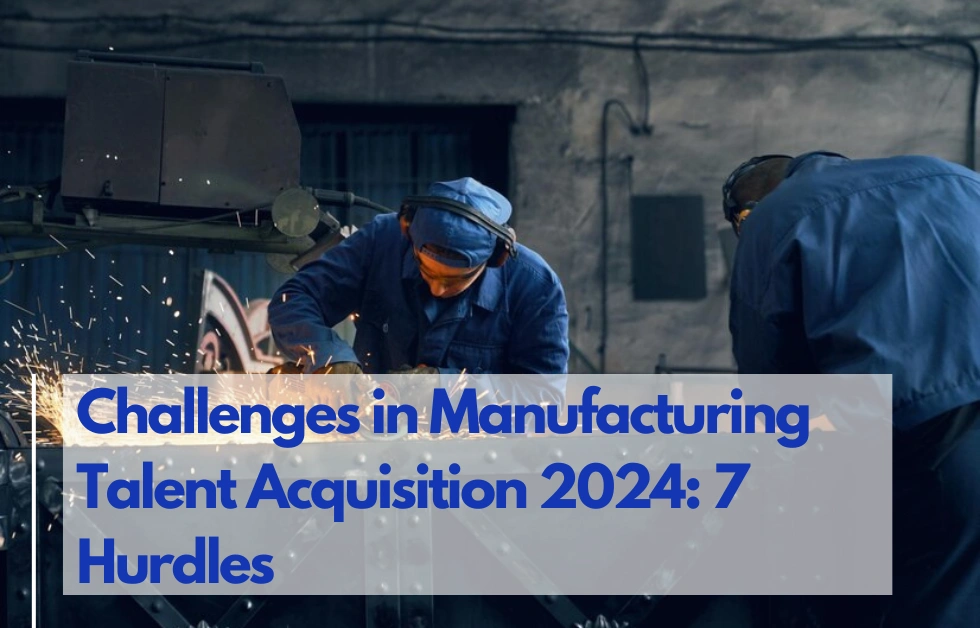
In recent times, we’ve observed shifts in recruitment trends and the emergence of innovative solutions to overcome challenges. However, these advancements are often followed by new and unique obstacles. Our manufacturing recruitment agency made this blog to discuss 7 hiring trends and how we’ve adjusted to them. We’ll explain how we’ve adapted to these changes to help you understand better.
1. Inflation is driving compensation up
As prices keep going up, manufacturing companies are finding it hard to make enough money while also paying workers more. This means they’re struggling to hire skilled people because they have to offer better pay. To get people to work for them, companies are trying different things like giving bonuses, extra perks, and paying more for certain shifts. Some are also offering part-time jobs or temporary manufacturing staffing that are more flexible, like those in the gig economy.
But it’s not just manufacturing companies that are having trouble finding workers. Because wages are going up in lots of different industries, people have more options for where they want to work. This means manufacturing companies have to compete with other companies, not just in manufacturing, but in other fields too, to find and keep good workers.
2. Prioritizing Ethics and Social Awareness enhances brand image
Giving importance to ethics and social awareness can greatly improve a brand’s reputation. People are more aware of ethical issues around the world, which makes them care more about how companies handle controversial topics. One such issue that often affects the manufacturing industry is sustainability and its impact on the environment. Even if companies are legally compliant, having a bad reputation regarding sustainability can give them a negative image in the eyes of potential applicants.
However, if a company’s sustainability initiatives are clearly conveyed by its recruitment partners, this transparent communication can convince skilled individuals to select the company, even if they previously harbored doubts. This precise communication approach is what we at Prompt Personnel leverage to recruit the ideal talent for manufacturing firms.
3. Layoffs Hit Manufacturing
Layoffs are happening not just in tech but also in manufacturing, especially after the economic troubles caused by the pandemic. As companies struggle to find skilled workers and meet job seekers’ expectations, layoffs can have a big impact.
If a company is known for laying off workers, it can scare away talented people who worry about keeping their jobs. That’s why it’s crucial for manufacturing firms to focus on building strong connections with potential hires and improving their reputation as an employers. By doing this, they can overcome the negative effects of layoffs and attract top talent, even in tough times.
4. Talent attraction and perception of the industry
In 2024, the global talent shortage makes it tough for recruitment agencies for manufacturing to find qualified candidates and win the competition for talent. With the demand for skilled workers higher than the available supply, employers worldwide struggle to fill job openings. This shortage is especially felt in the technology and manufacturing sectors.
In manufacturing, attracting talent and building a positive employer reputation can be challenging. Many people don’t consider manufacturing careers because they have outdated ideas about the industry.
There are various obstacles to overcome, particularly among younger workers. They may think manufacturing jobs are dull, lack creativity, or harm the environment. Women, in particular, may see manufacturing as unattractive since it’s mostly male-dominated.
Despite recognizing the importance of manufacturing for the economy and investment potential, many people are unaware of the industry’s technological advancements, benefits, and salaries. This lack of awareness discourages job seekers from considering manufacturing careers. The misconception that manufacturing is outdated and low-tech contributes to the current shortage of applicants.
As a manufacturing company recruitment, we employ gentle digital tactics across different platforms to share insights about the promising prospects of jobs in the manufacturing industry, aiming to engage with those who may not have considered such opportunities before. This approach gradually generates interest among the online audience, as they absorb positive information about manufacturing careers over time. Eventually, they come to realize that exploring job opportunities in manufacturing companies could be a wise decision.
5. Location doesn’t appeal to workers
The challenges related to the location of manufacturing facilities pose a significant barrier for employers in India. Many factories are situated on the outskirts of urban areas, leading to substantial commuting difficulties for potential employees. The prospect of lengthy travel times, particularly when coupled with demanding shift schedules, dissuades job seekers from pursuing employment in these remote locations. Another factor to think about is that the lifestyle choices of potential candidates might not match the sacrifices needed for these faraway work locations, making it harder to recruit people.
As a result, manufacturing employers face considerable challenges in attracting and retaining skilled workers. This struggle ultimately hampers their operational efficiency and constrains their potential for growth. Finding effective strategies to overcome these location-related obstacles is crucial for ensuring the long-term success and competitiveness of manufacturing businesses in India.
As a potential solution to eliminate the severity of this seemingly overwhelming issue, companies have opted to provide pick-up and drop-off services to reduce the commuting burden on their employees and provide them with peace of mind when returning home, particularly considering the time constraints associated with public transportation.
Sharing the benefits of this advantage as a manufacturing recruitment agency with talented individuals has significantly boosted our ability to generate considerable interest in the job roles offered by manufacturing companies.
6. Artificial Intelligence
AI is becoming increasingly prominent and will require professionals and organizations to adapt to ensure that workforces remain aligned with evolving business goals. Concerns about job loss may be valid for lower-skilled roles, but a more probable scenario is the creation of new positions to support AI’s development. This includes opportunities in emerging markets where new career paths can be established. To effectively utilize AI, Engineering and Manufacturing companies will need individuals with the necessary skills.
To make the most of AI, these companies need employees with the right skills. As a recruitment company, we’ll focus on screening and hiring people who have the needed skills in manufacturing and can easily incorporate AI and Machine Learning into their work. We’ll also look for candidates who can handle the maintenance and upgrading of the involved AI technology.
7. Raising Awareness of Candidate Soft Skills
In manufacturing, besides having the right technical skills, being able to work well with a team, adjust to challenging situations, and communicate clearly are also crucial. Employers know that workers with these strong soft skills make the workplace better and get tasks done effectively.
To be more precise about why these skills are necessary for a candidate to pass the recruitment screening, let’s understand the connection between them. Working together as a team is important because it takes everyone’s effort to achieve common goals. Being adaptable is of utmost necessity because things are always changing in this industry. Clear communication is crucial to make sure everyone understands what needs to be done and stays on the same page.
Being at the top of manufacturing staffing agencies who are committed to thoroughness, we make sure to assess these soft skills in candidates. By finding people who are not only technically skilled but also strong in these areas, we help manufacturing companies build teams that can tackle challenges and succeed in today’s competitive market.
With a wealth of experience spanning over 25 years, Prompt Personnel stands as a trusted name in HR outsourcing services, payroll management, and labour law consultancy. Our comprehensive suite of offerings includes temporary staffing, contract staffing, permanent recruitment, and more. Operating across multiple regions in India, we maintain a striking presence in metropolitan cities such as Mumbai, Pune, Hyderabad, Delhi, Bengaluru, Chennai, and Kolkata.
Throughout our journey, Prompt Personnel has earned recognition as a competent HR consultant in Mumbai. We’ve been honoured with prestigious awards including ERA’s Fastest-Growing Staffing Company Award in 2007 and the Madhavrao Bhide Udyog Gaurav Award in the large-scale industry (100 Cr+) in 2019. We have also been acknowledged as a future-ready organization in the large-scale category by the Economic Times and certified as a great workplace in India in 2023.
If you’re seeking to refine your process of recruitment in the manufacturing industry and secure top-tier candidates for your targeted niche, get in touch with our HR specialists at Prompt Personnel today!
by Prompt Personnel | Jan 27, 2024 | Human Resources
Outsourcing HR services has become a strategic move for many companies, offering many advantages without compromising quality or efficiency. The decision to outsource often arises from recognizing key pain points in managing internal HR functions, like administrative tasks, compliance complexities, and the need for specialized expertise in areas like payroll and benefits administration. Outsourcing provides a solution by allowing businesses to focus on their core competencies while leveraging HR outsourcing companies’ technical knowledge and resources. It is certainly a proactive approach that aligns with the ever-evolving nature of business, promoting adaptability and scalability.
However, the transition process is one of the most important things that determines the overall efficiency of outsourcing HR services and the success of this partnership. This successful transition encourages continuous operation, and thus, it is crucial to follow a proper, proven, and effective process.
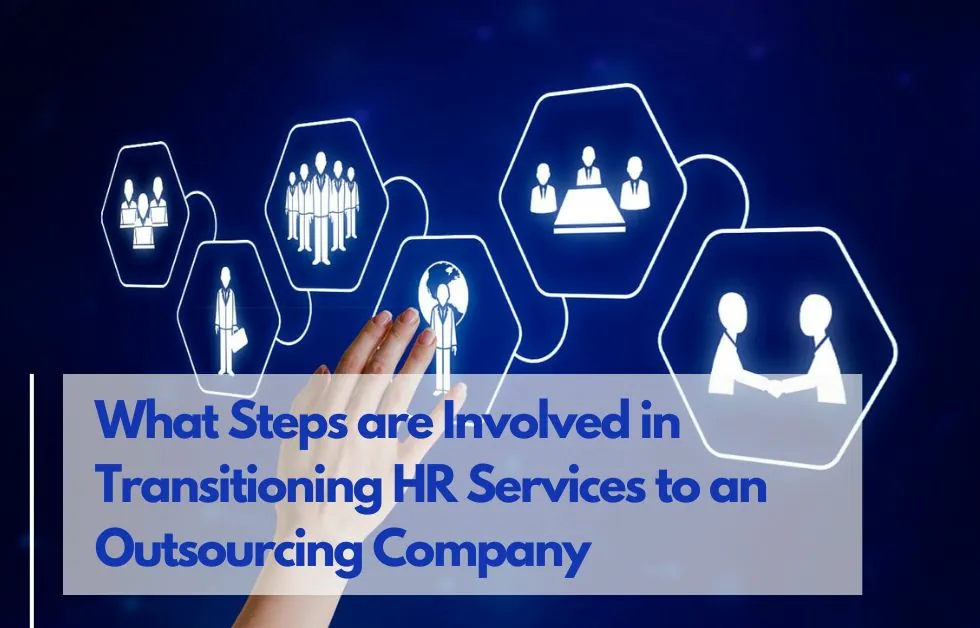
Here is a list of steps to transition HR services to an outsourced company
-
Assess the Current HR Process
Before outsourcing HR services, conducting a comprehensive assessment of current HR processes is of utmost importance. This involves a detailed evaluation of existing workflows, from recruitment to performance and employee engagement. Identify pain points and bottlenecks within processes that hinder overall efficiency or cause employee dissatisfaction.
The goal is to gain a clear understanding of the strengths and weaknesses of the current HR setup, paving the way for targeted improvements and ensuring that the outsourcing strategy aligns with your organization’s specific needs.
-
Define Outsourcing Objectives
After understanding the internal HR processes, the next step is to articulate clear objectives for outsourcing. Draw clear outlines of the goals and expectations you aim to achieve through outsourcing HR services. The objectives must align with the overall business strategy and contribute to the organization’s success. Regardless of the focus, whether cost reduction, enhanced service quality, or access to specialized expertise, a well-defined set of objectives provides a roadmap for selecting the right outsourcing partner and guides the entire transition process.
-
Research and Select Outsourcing Partner
Selecting the right outsourcing partner is an important decision that prominently impacts the success of your HR transition. Thorough research is essential to assess potential outsourcing providers. Considering factors like industry experience, reputation, and the ability to meet specific HR needs becomes the essence, along with looking for a partner boasting a proven track record in delivering reliable and high-quality HR services. This strategic selection ensures that the outsourcing partner understands the industry’s complexities and assures expertise to address the organization’s unique challenges.
-
Develop a Transition Plan
With a clear understanding of your current human resources state and defined outsourcing objectives, the next step is to create a detailed transition plan. This plan outlines the step-by-step process of migrating HR functions to the outsourcing partner. This includes timelines, milestones, and responsibilities for your internal teams and the outsourcing provider. A well-structured transition plan is essential for a smooth handover, minimizing disruptions to ongoing HR operations and ensuring that the outsourcing relationship starts on a solid foundation.
-
Communicate with Stakeholders
Open and transparent communication is certainly essential throughout the outsourcing transition. Maintain a continuous communication process with the internal teams and key stakeholders, primarily to manage the expectations and address any concerns. It is also essential to communicate the benefits of outsourcing and how it aligns with the overall business strategy. Addressing questions and concerns proactively fosters a positive attitude toward the transition and helps build stakeholder support, encouraging a more successful partnership.
-
Data Migration and Integration
Successfully transferring human resource data is a crucial aspect of the outsourcing process. It is essential to ensure a seamless migration by precisely sharing employee records, payroll information, and other relevant data to the outsourcing partner’s systems. Integration is the key to maintaining data accuracy and consistency across platforms. This step requires careful planning, data validation, and collaboration between your internal IT teams and the outsourcing provider to minimize the risk of data errors or loss during the transition.
-
Conduct Training for Internal Teams
After enforcing the outsourcing transition, provide comprehensive training for internal teams to adapt to the new HR structure. This includes familiarizing employees with changes in HR processes, technology platforms, and communication channels. Training ensures a smooth integration of the outsourcing partner into your organization’s daily operations and helps internal teams collaborate effectively with the external provider.
-
Implement and Monitor the Transition
To execute the transition plan with utmost precision, adhering to timelines and milestones. Simultaneously, establish robust monitoring mechanisms to track the performance of the outsourcing arrangement. It is also important to regularly evaluate key performance indicators (KPIs) to ensure that the outsourcing partner meets SLAs and delivers the expected results. Adjust the transition plan as needed while optimizing performance and addressing any challenges that may arise during the early stages of the outsourcing relationship. Continuous monitoring and flexibility are crucial to achieving the desired outcomes and maximizing the overall benefits of HR outsourcing.
As much as it is crucial to prominently follow the steps of the transition process, a factor that determines overall success is the partnership. Researching and outsourcing the services to partners that offer a reliable partnership is of utmost importance for seamless transition and uninterrupted operations.
Revolutionize your HR management with Prompt Personnel today!
As one of the best HR outsourcing companies in India, Prompt Personnel understands the complexities of HR management and the importance of having a reliable partnership. While HR management is time-consuming and complex, Prompt Personnel offers strategic HR solutions that benefit your organization. Our solutions are tailored to meet businesses’ evolving needs, including payroll processing, compliance, and employee benefits.
As one of Mumbai’s leading HR outsourcing companies, Prompt Personnel offers 360-degree HR services specifically to promote the organization’s growth and ensure a quality human resource management experience.
With experience spanning 25 years in the human resource domain, Prompt Personnel has established its presence across India with offices in Delhi, Bengaluru, Mumbai, Kolkata, Hyderabad, and Chennai. Thriving on a series of accomplishments, we take pride in being recognized as one of the rapidly advancing HR outsourcing companies in India. Our company extends its expertise across diverse sectors, offering various HR solutions tailored for individuals and businesses.
Leverage our experience and expertise in the domain and ensure an effortless transition to outsourcing HR services. Partner with us today and find out how our tailored HR outsourcing solutions can help you meet the unique needs of your business.
by Prompt Personnel | Jan 20, 2024 | Uncategorized
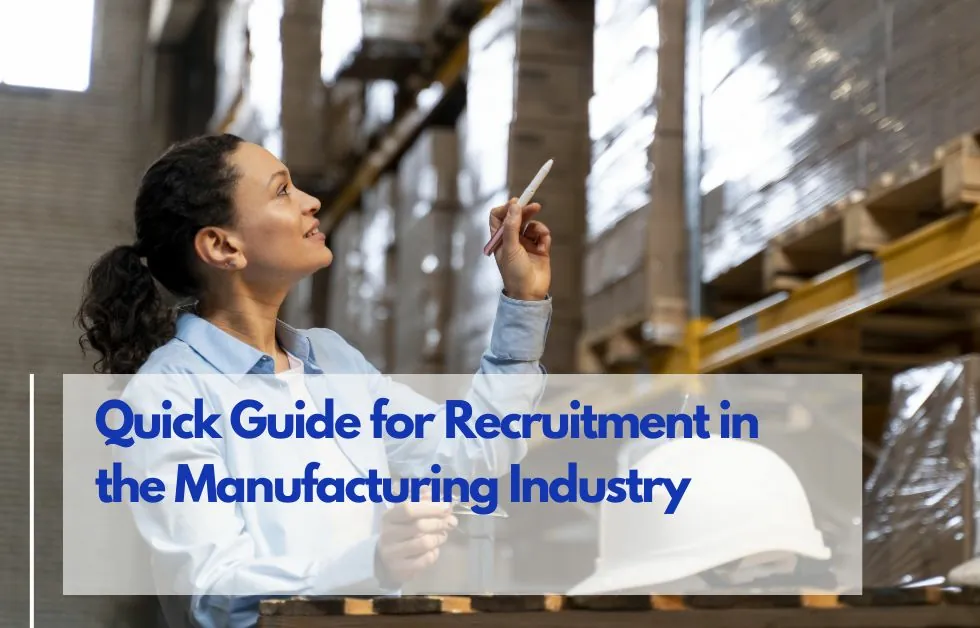
The manufacturing industry encounters its fair share of challenges throughout the year, with one prominent hurdle being the difficulty in sourcing skilled talent, despite the high demand. As company leaders navigate trade regulations and aim for shorter production runs, the scarcity of the needed talent becomes evident.
Experienced workers are aging out of the workforce, making replacements increasingly elusive and costly. This challenge is compounded by a growing demand for specialized roles, such as health and safety engineers, which take twice as long to source, and hire compared to more common positions like assemblers and fabricators.
Companies not only require the right talent to create a smooth workflow with exceptional outcomes but also recognize the need to diversify their workforces for improved efficiency. Collaborating with manufacturing staffing agencies that comprehend your workflow and the challenges you encounter can be very helpful.
Understanding the manufacturing workforce
In manufacturing, there are different sectors, each needing a specialized workforce with unique skills and responsibilities essential to the production process. Let’s explore some key industry segments and the job roles commonly sought after by employers:
- Production
Production workers are the heart of manufacturing. They’re crucial in turning raw materials into finished goods. Their jobs vary, from working on assembly lines in big factories to crafting special products as skilled artisans. They’re really good at doing tasks that need precision, consistency, and attention to detail. The available job roles in this section are assembler and production manager.
- Engineering and technical
Respective to the field they serve engineers and designers segment designs, develop, and optimize production systems, machinery, and processes. Professionals in this area leverage advanced technologies, conduct research, and seek innovative ways to drive continuous improvement.
- Quality assurance and quality control
A quality management department is responsible for developing and implementing standardized processes, conducting inspections, and analyzing product samples for inconsistencies or defects. This role indirectly contributes to customer satisfaction and brand reputation. Such processes are handled by experienced technicians and supervised by operations manager.
- Supply chain and logistics
The team including IT management, is responsible for managing the flow of materials and products during the entire production cycle. The job responsibilities in this sector also include close collaboration with suppliers, keen inventory management, and optimization of transportation routes for timely deliveries. With advanced logistics technologies and strategic planning, operational efficiency is enhanced, costs are minimized, and potential risks are navigated. The significant contribution of IT management is evident in tasks such as recording arrivals of the ingredient auditing the volume drafted and securing client data which provides a layer of precision and security to the overall supply chain operations.
- Maintenance facilities
Maintenance facilities have the important responsibility of keeping production facilities running smoothly. Their focus is on preventive maintenance, troubleshooting, and repairs to minimize downtime. In collaboration with personnel like operators, welders, and metal fabricators, these professionals adopt proactive maintenance strategies and utilize predictive maintenance technologies. Together, they optimize equipment reliability, prolong the lifespan of assets, and provide major contributions to the entire operational efficiency.
Challenges in manufacturing recruitment
The world of manufacturing is changing quickly, and it’s one of the sectors where you can really see the workplace transforming. Technology is advancing rapidly, and the financial and employment impact is huge. Human Resources (HR) departments in manufacturing companies need to keep up with these changes to stay in sync with the industry, their own organizations, and the overall workforce.
-
Minimizing Health issues and Common Incidents on-site:
Newcomers in manufacturing industries often worry about safety concerns, making them hesitant to apply.
For on-site workers: Risk management procedures help identify potential hazards, ensuring necessary precautions are taken to prevent accidents, injuries, and even fatalities. The absence of safety training among new recruits in certain firms has been linked to numerous enduring injuries in the industry’s historical records.
For desk jobs: In the manufacturing industry, workers often do repetitive tasks or work in awkward positions, which makes paying attention to ergonomics important. Being aware of poor ergonomics can lead to issues like back pain and carpal tunnel syndrome, which worries new recruits about their health. With the recent trend of entrepreneurship, new recruits are conditioned to avoid the hassles and health risks associated with a desk job. They might even choose alternative careers that don’t require the specific skills needed for a manufacturing job.
New employees want reassurance about protection and health benefits as they start their new job. This concern is valid because it directly affects their future. If this is taken care of properly, they’ll be more willing to explore this field and confidently move forward.
Staff shortage is a common issue for manufacturing companies, mainly because many employees are getting older. It’s tough for these companies to find experienced professionals who can commit to the long term. This creates problems with passing on knowledge, planning for the future, and maintaining a consistent flow of skilled workers. To address the challenges caused by an aging workforce, it’s important for hiring teams to bring in younger talent and diversify the pool of skilled workers.
-
Recruitment Challenges Amidst Shortages of Skilled Personnel
Finding the right people for job openings is tough these days, especially when there’s a shortage of skilled personnel. Even if companies focus on hiring younger professionals, it’s still a challenge to find truly talented individuals, often resulting in the hiring of less-skilled candidates. The rapid evolution of technology has increased the demand for specialized skills in areas like automation, data analytics, and advanced manufacturing processes. Unfortunately, there’s a growing mismatch between the skills employers need and the qualifications of available candidates.
-
Misinformation spread about the job roles
People often get the wrong idea about jobs in manufacturing. They think these jobs are boring, old-fashioned, and not creative. Some also believe that it’s mostly a field dominated by men, which makes it less attractive to women. These negative opinions create a big problem for companies trying to find new talent. It’s been a problem for a long time, and we can’t ignore it anymore. To fix this, employers and recruiters need to team up to change the way people see manufacturing. They should highlight the industry’s technological advancements and show the various interesting career options it provides.
Best Practices Developed by Prompt Personnel for Manufacturing Workforce Recruitment
For both long-term and contractual temporary manufacturing staffing, Prompt Personnel has successfully placed suitable candidates in the areas of operations: marketing, IT, and more. With our steps now you find the right talent, train them and deploy them at their rightful job role as per your business needs. Here is how the process works
- Identify the type of personnel you need:
The jobs available now might not be the same in the future. To stay prepared, it’s essential to keep a pool of potential hires. This helps recruitment teams adapt to changing business goals, industry trends, and new technologies. Having qualified and interested candidates ready can also reduce the risks related to talent shortages, succession planning, and unexpected turnover.
Recruiting for future roles today is a smart move. It gives recruiters time to build relationships and make their organizations attractive to job seekers. This works best when your company has a positive image among candidates. We help with that by showcasing your company’s good reputation. We use testimonials from your employees and highlight your workplace values and culture. We share stories that show a promising career path at your company.
- Use the passive masses:
Using the skills and qualities of people who applied before but weren’t hired is a smart way to find potential employees. These individuals are known as passive job candidates. Prompt Personnel can help by guiding these candidates through a program. So, when a job opens, you’ll have a group of candidates ready to go.
- Using an Applicant Tracking System
Manufacturing recruiters have two types of jobs: one with lots of openings and another with fewer, but very specific positions. They need a hiring solution that can handle both. To make the most of our recruitment in manufacturing industry, we use a tracking system for applicants. It helps us find good candidates for many jobs, and it moves people with different skills and backgrounds through the hiring process quickly.
- Create Transparent Job Descriptions:
Great job descriptions do more than just list a job’s duties and requirements. They tell an engaging story that captivates the interest of your perfect candidates. When employers inject creativity and authenticity into job descriptions, they leave a lasting impression and, ideally, attract more job applications. To put it simply, a carefully crafted job description not only provides important details about the position but also reflects the organization’s culture, values, and employer brand.
- Smooth onboarding program and consequent training system:
Our smooth onboarding and training program ensures we carefully guide new candidates into your company. We use a digital process to make it more efficient and save time. During this, we reinforce your company’s culture and mission to keep employees engaged and committed. The outcome is satisfied and successful employees, leading to longer job stays and happier, healthier work environments.
Known for our expertise in HR outsourcing, Prompt Personnel stands as a trusted manufacturing recruitment agency with over 25 years of solid experience. Our services cover temporary staffing, contract staffing, and permanent staffing solutions which we have been providing in major cities like Mumbai, Pune, Hyderabad, Delhi, Bengaluru, Chennai, and Kolkata, thereby solidifying our strong presence. Our commitment to excellence has earned us honorary recognitions such as the ERA Fastest-Growing Staffing Company (2007) and the Madhavrao Bhide Udyog Gaurav Award (2019).
To get first-rate candidates from our talent pipeline, choose Prompt Personnel for efficient HR solutions to replenish your Manufacturing workforce. Reach out to our experts today!
by Prompt Personnel | Jan 14, 2024 | labour law advisory
Staying compliant with labour laws in India is essential for the smooth functioning and growth of any business. Failure to adhere to legal requirements can lead to legal complications, penalties, and reputational damage. Whether you run a small business or a multinational corporation, ensuring employees are treated in line with labour regulations is critical. However, managing these complexities alone can be challenging in today’s fast-paced business environment.
This is where a labour law consultant comes in. With their expertise, consultants guide businesses through legal frameworks, streamline compliance, and help prevent potential fines and disputes. Handing over legal compliance responsibilities to experts ensures that businesses can operate worry-free while staying fully compliant.
Why Every Business Needs Labour Law Consultants
-
Understand The Complexity of Labour Laws
India’s labour landscape is diverse, with both central and state-specific laws that businesses must follow. These laws are constantly evolving, making it difficult for companies to remain compliant without expert guidance. A labour law consultant in Delhi or any other region keeps businesses updated on legal changes, such as amendments to the Maternity Benefit Act, ensuring policies reflect current regulations.
Small businesses, in particular, may struggle to monitor legal updates, leading to unintentional violations. With a consultant, even smaller teams can stay informed and avoid costly mistakes.
-
Ensure Compliance in Recruitment and Employment
Recruitment practices, employment contracts, and workplace policies must adhere to laws like the Prevention of Sexual Harassment Act. A law consultancy helps businesses craft compliant policies, conduct awareness programs, and establish internal committees to address workplace concerns. This protects the organization while promoting a safe and inclusive work environment.
Proper recruitment compliance also enhances employee trust. Knowing that a business adheres to labour laws can boost staff morale and reduce turnover, creating a stable workforce.
-
Mitigating Risks in Wage and Benefits Administration
Employee compensation must comply with acts such as the Minimum Wages Act, Payment of Wages Act, and Equal Remuneration Act. Non-compliance can lead to financial liabilities and legal challenges. Labour law consultants assist in designing transparent wage structures, conducting audits, and ensuring equitable pay practices across the organization.
Additionally, consultants help implement payroll systems that automate compliance checks, minimize errors, and save time. This allows businesses to maintain accurate records and meet reporting requirements seamlessly.
-
Addressing Workplace Safety and Health Standards
Acts like the Factories Act (1948) and the Building and Other Construction Workers Act (1996) mandate employee safety and health standards. Violations can result in accidents, legal penalties, and reputational loss. Labour law consultancy ensures proper safety protocols, audits, and compliance with these laws to protect both employees and businesses.
In addition, consultants can guide companies on emergency preparedness, employee insurance requirements, and safe workplace policies to reduce risks and enhance employee confidence.
-
Navigating Legal Landscape with Expertise
Legal regulations are continuously changing. By engaging labour law advisors, businesses can delegate legal responsibilities, allowing them to focus on core operations. For example, amendments under the Code of Social Security 2020 require businesses to update employee benefit policies. Labour law consultants provide clarity, guidance, and actionable solutions.
Additionally, professionals can explore labour consultant courses to build expertise in this specialized field and help organizations navigate complex compliance requirements efficiently.
Prompt Personnel: Your Legal Partner for Labour Law Compliance in India
With over 25 years of experience in labour law consultancy, Prompt Personnel provides end-to-end compliance solutions for businesses across India. Our services include labour law advisory, contract staffing, permanent staffing, temporary staffing, and talent management.
Serving over 150 clients nationwide, including Mumbai, Pune, Bengaluru, Hyderabad, Delhi, Chennai, and Kolkata, our experts ensure businesses stay compliant with evolving labour laws in India. Our compliance dashboard offers real-time access, simplifying monitoring, and management.
Partnering with Prompt Personnel ensures that your business remains legally compliant, mitigates risks, and focuses on growth while leaving the legal complexities to trusted experts. Whether you are a startup or an established company, our labour law consultants provide personalized solutions tailored to your needs.