

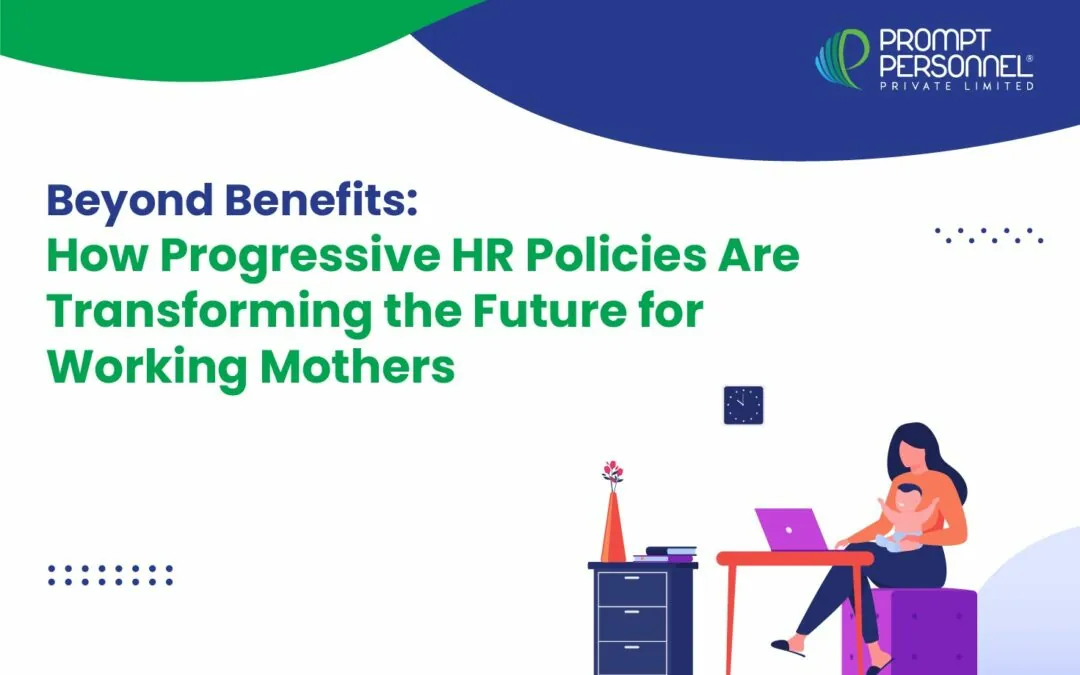
Mother’s Day has always been a motivation for working mothers all over the world besides its significance as an event. With the changing nature of work dynamics, it is now essential for the organizations to recognize the significance of working mothers, not just as a social responsibility but also a strategic initiative.
Nowadays, the best HR companies have begun adopting unique HR practices that ensure the success of women not only as individuals but also professionally. These HR practices include creating an inclusive atmosphere, providing flexible working hours, and initiating diversity hiring programs. Let’s examine how these inclusive HR strategies are enhancing retention and creating a more equitable future this Mother’s Day.
Why Supporting Working Mothers is a Business Imperative
Taking into consideration the developments that are taking place in the current work environment, those organizations which prioritize the well-being of their employees, particularly working mothers, perform better than other companies when it comes to engagement, efficiency, and retention.
Most working women have many duties on their shoulders and struggle to balance them. If they don’t receive the proper assistance, their only option is to quit their jobs entirely. As a result, important talent and institutional expertise are lost.
HR leaders now understand that investing in mother-friendly policies leads to:
- Higher employee retention rates
- Improved workplace morale
- Increased productivity and loyalty
- Stronger employer branding
- Better gender diversity in leadership
Mother’s Day provides the perfect opportunity for organizations to assess their current policies and improve them.
Maternity Policies: Building a Strong Foundation for Inclusion
A best maternity policy framework is one of the most important elements to support working mothers.
Extended Paid Maternity Leave
In India, the Maternity Benefit (Amendment) Act, 2017 mandates up to 26 weeks of paid maternity leave for mothers. It also mandates creche facilities for establishments with 50+ employees and introduces “work from home” options, covering women in organized sectors. While this is a significant step forward, forward-thinking HR companies are going beyond compliance to create truly supportive environments for working mothers.
However, there’s another ongoing conversation about cost-sharing between employers and the government. Many HR experts argue that sharing the financial responsibility can reduce unconscious hiring biases against working mothers.
Phased Return-to-Work Programs
It is not easy to go back to work after maternity leave. Companies are increasingly implementing the following strategies:
- Gradual re-entry schedules
- Reduced workloads initially
- Flexible hours during the transition period
A phased approach like this one ensures long-term retention of employees since it will allow women to adjust to work without getting tired or exhausted.
“No Questions Asked” Leave Policies
One of the recent developments in the work environment is the introduction of compassionate leave for women who can now be on leave without undergoing any formalities. This fosters a culture of mutual respect and empathy.
Health and Wellness Support
HR professionals have started providing the following benefits to female employees:
- Medical assistance and insurance for maternal care
- Mental health support programs
- Access to maternity consultants
Additionally, workplace amenities like childcare facilities greatly facilitate the return to work.
Inclusive Maternity Benefits
Inclusivity is more than just biological motherhood. Companies at the forefront of inclusivity have started to extend their policies to:
- Adoptive parents
- Parents through surrogacy
- Primary caregivers regardless of gender
This ensures that all forms of parenthood are respected and supported.
Diversity Hiring: Bringing Mothers Back into the Workforce
The “career break penalty” that women experience after giving birth is the biggest problem with workforce diversity. HR companies are actively working to close this disparity by implementing focused diversity hiring programs.
Second Career Programs
In several industries, “second career” or “returnship” programs are becoming more popular. These programs are intended especially for women who wish to resume their jobs after taking a break due to parenting.
Key features include:
- Structured onboarding and training
- Mentorship opportunities
- Flexible project assignments
- Skill refresher courses
These programs not only help women regain confidence but also bring experienced talent back into the workforce.
Improving Gender Representation in Leadership
Gender disparity in the workforce persists even with advancements made in this area. For instance, almost 20% of all executive jobs in different companies are occupied by women in India.
Employers may promote more women who have taken breaks in their careers by:
- Promoting gender diversity in leadership
- Enhance decision-making through diverse perspectives
- Build inclusive workplace cultures
Many HR organizations take advantage of Mother’s Day promotions to feature those women who have managed to secure senior positions after taking breaks in their careers, thereby inspiring other working moms as well.
Employee Resource Groups: Creating Communities That Matter
Employee Resource Groups (ERGs) play a significant role in creating inclusive workplaces. Many organizations have introduced dedicated groups for working mothers. According to the data collected, around 90% of the Fortune 500 have ERGs, and they reported 78% more engagement among employees while performing 35% more profitably compared to others. Around 90% of the surveyed organizations stated ERGs were critical for building cultures and retaining talent.
There are multiple companies in India that have ERGs specifically for working moms. For example, Deloitte India has a program called ‘DMom’ for moms with the key features of the program being 26 weeks paid leave, work-from-home, “Bringing Women Back to Work” for moms returning back to work. IBM India has ‘IWork@Home’ for working parents and mom support groups, featuring childcare policies, lactation rooms, 1-year work-from-home post-maternity benefits. By giving mothers a voice, companies can continuously refine their HR policies based on real-world experiences.
The Link Between Inclusion and Business Growth
Supporting working mothers isn’t just about ethics, it’s about economics. Organizations that invest in inclusive policies experience:
- 22% lower turnover rates
- Reduced hiring and training costs
- 68% higher employee engagement
- Stronger innovation through diverse teams
Studies consistently show that diverse organizations outperform their competitors financially. Companies with a diversified workforce are 35% more profitable than others.
How HR Teams Can Make Mother’s Day More Meaningful at Work
For HR leaders who want to make a difference, here are some tangible ways to do that:
- Audit your current policies – Identify gaps in maternity and parental support
- Consult with working mothers – Use surveys and ERGs for feedback
- Invest in flexibility – Expand remote and hybrid options
- Launch returnship programs – Bring back experienced talent
- Promote inclusive leadership – Ensure equal growth opportunities
- Communicate openly – Make policies accessible and transparent
Conclusion
Mother’s Day presents an opportunity to reflect upon how Indian companies have contributed sufficiently towards the achievement of working mothers.
HR organizations have a responsibility to take initiative and play a role in promoting an improved organizational culture through policies for promoting motherhood, diversity recruitment, and inclusive recruitment practices. The future organizational culture will be compassionate, adaptable, and varied because working women are at the center of this transformation as they balance their jobs and raise the next generation. Let’s put action ahead of gratitude this Mother’s Day.
Need help in creating more people-first HR policies and workplace practices? Connect with Prompt Personnel at [email protected]
Also read: Paternity Leave in India: Supreme Court Push Signals a New Era of Gender-Equal Parenting


