by Prompt Personnel | Aug 27, 2024 | labour law advisory
The labour market is changing at a never-before-seen pace due to the industries’ quick digitalization. The evolution of technology, including automation, artificial intelligence (AI), and the emergence of digital platforms, is transforming the nature of how we normally work. While efficiency and innovation are positive aspects of this trend, traditional employment models have also been severely disrupted. As a matter of fact is – this trend has also made many individuals feel their job security being ambiguous, job classifications becoming hazy, and social protections are frequently insufficient.
Concerns from employees about the overall work environment have forced businesses to adapt, and many are now taking steps to address the difficulties posed by digitalization. In this shifting environment, labour law advisors can play their part in guiding businesses with taking the right steps. They provide crucial support from the sidelines so that businesses can adhere to new regulations and safeguard the rights of their employees in the digital age. With such kind of guidance, businesses find it easier to manage complex legal issues.
Section 1: The Impact of Digitalization on Labour Laws
1.1 Redefining Employment: The Gig Economy’s Legal Tightrope
The formerly distinction between independent contractors and employees have become hazier with the introduction of digital channels. Workers participate in project-driven, task-based work in the gig economy, which is made possible by digital platforms. These jobs often lack the permanence and security of traditional employment, leading to legal ambiguity. Traditional labour laws, which are based on the binary classification of workers as either employees or independent contractors, struggle to accommodate this new model.
- Legal Ambiguities and Worker Protections
This redefined work status raises a number of important legal issues in the context of labour laws. Operating in a grey area, gig workers frequently discover that they are not eligible for the same benefits and protections as regular employees. This covers the availability of social security, health care, and stable employment. It is essential for labour law consultants to understand the impact of these upcoming changes.
Advisors must understand how gig work impacts worker classification and changes the nature of employment. The main challenge is making sure gig workers aren’t left vulnerable because of outdated legal frameworks.
- A Need for Modernized Legal Frameworks
In order to better reflect the realities of the digital economy, labour laws must be reevaluated in light of this ambiguity. Ahead of these changes, advisors must help their clients understand the specifics of worker classification and make sure that all workers are legally protected, regardless of their employment status.
1.2 Automation’s Double-Edged Sword: Job Displacement Meets New Rules
Artificial Intelligence is revolutionising a number of industries through workflow optimisation and performance improvements. But there’s a price for these advances. The labour market is undergoing major changes as a result of the displacement of many low-skill jobs by machines and algorithms that take over repetitive tasks. While high-skill jobs in areas such as data analytics and AI development are on the rise, the workers displaced by automation often lack the skills needed to transition into these new roles.
Automation’s ability to replace workers poses a serious threat to labour regulations. Conventional labour laws, which are intended to safeguard employees in steady, long-term jobs, are inadequate to deal with the abrupt changes brought about by automation. Advisors need to be aware of the effects of these adjustments and assist their clients in adjusting to the new situation.
- Evolving Laws to Protect Displaced Workers
Protecting workers who face automation-related job displacement is one of the main areas where labour laws need to change. This includes retraining and upskilling policies, which are crucial for assisting workers in adjusting to new roles in the digital economy. In order to shield workers from unfair treatment or exploitation by automation, laws related to the moral application of AI in the workplace are also essential.
Advisors face the difficult task of supporting worker-protective policies and assisting businesses in adhering to new regulations. This includes counselling clients on the value of funding retraining programs for staff members and keeping up with any new labour laws pertaining to automation.
Section 2: Guiding Clients Through the Digital Labour Maze
2.1 Navigating the New Legal Frontier: What Advisors Must Know
A Labour law advisor needs to be proactive in keeping up with the most recent legal developments given the speed at which technology is developing. A thorough understanding of new employment models, worker classifications, and regulatory changes is necessary given the rapidly changing nature of digital work style.
- Grasping the Complexities of Digital Work
Advisors should start by being well-versed in the technicalities of remote work arrangements. This covers the gig economy, where employees are frequently categorised as independent contractors, and the effects of this classification on their benefits and rights.
- Addressing Automation-Related Legal Challenges
Advisors also need to be prepared to handle the legal issues raised by automation and artificial intelligence. This requires one to be aware of how new technologies affect worker rights, employment contracts and labour law compliance in India. Advisors can assist their clients in adjusting to the shifting legal environment and avoiding potential pitfalls by remaining knowledgeable about these matters.
2.2 Compliance Made Easy: Steering Clear of Digital Labour Pitfalls
Adhering to labour laws in the digital age presents itself as a broad and constant obstacle. Businesses need to remain on guard to make sure they stay compliant with newly emerging rules introduced for the concerned market that address the particular challenges of digital work. Here’s how advisors practice what they preach:
- Proactive Compliance Strategies
Advisors must guide their clients in understanding and implementing new labour regulations related to digital work. This includes advising on issues such as worker classification, automation-related compliance, and the provision of social security benefits to gig workers.
- Managing Legal Risks in Digital Work
Risk management should be one of the advisors’ primary areas of focus. Businesses need to be ready to handle the legal risks that come with these new models as digital work arrangements become more widespread. Understanding the legal implications of hiring gig workers, making sure contracts adhere to new rules, and keeping up with evolving legal trends are a part of this.
Conclusion: Mastering the Digital Shift—A Playbook for Advisors
Businesses now have a lot on their plate as they adjust to the digital age. Traditional models have been disrupted by rapid technological advancements, requiring ongoing innovation and adherence to changing labour laws. Businesses face challenges in protecting workers’ rights in the face of changing regulations, maintaining legal alignment, and managing the changing circumstances of the digital workforce.
The digital transformation of the labour market presents both challenges and opportunities for advisors. To provide effective guidance, advisors need to stay updated on legal developments and understand the unique issues of digital work. They play a crucial role in helping businesses navigate changes in worker classification, comply with new labour laws, and safeguard digital workers’ rights.
Prompt Personnel has mastered these aspects, ensuring their clients can successfully adapt to the modern labour market and build sustainable, compliant businesses. We are one of the leading labour law consultants in Mumbai, offering excellent services for 27+ years. With our expertise and experience, we help businesses reel in top talent and lead the charge in the digital revolution.
Along with labour law consultancy, we also offer services for HR outsourcing, temporary and permanent staffing solutions, contract staffing, and many more. Offering services with utmost dedication and innovation over the years, we have successfully earned various awards and recognitions. The recent one includes Great Place to Work and Future Ready Organization for the year 2024-25.
Contact Prompt Personnel today to attract top talent for your business and ensure strong, compliant relationships with your employees, all with expert guidance at your disposal!
by Prompt Personnel | Aug 26, 2024 | Human Resources
To be successful, small and medium-sized enterprises (SMEs) must manage their human resources effectively. However, many of them constantly struggle with HR issues. High employee turnover disrupts daily operations and drives up costs, leading to the loss of valuable knowledge and creating a sense of instability. This instability can take a toll on the remaining staff, eroding trust and making it harder to attract new talent.
Unresolved HR problems can lower employee morale, reduce engagement and productivity, and create a toxic work environment that impairs output and well-being. The lack of a systematic HR strategy makes it difficult to acquire talent, and it can be difficult to stay on top of emerging employment laws without incurring expensive fines.
In order to establish a productive workplace that promotes the expansion and stability of SMEs, HR-related concerns must be addressed with enough acknowledgement and consideration. Read this blog to get a better understanding of these problems and discover how hr outsourcing services can resolve them.
Top HR Challenges for SMEs
1. Performance Management and Development
A major HR challenge for SMEs is performance management. Many struggle to establish effective evaluation systems that align with strategic goals, making it hard to pinpoint improvement areas and support employee growth. This issue is worsened by limited resources for investing in crucial professional development programs.
2. Limited HR Knowledge Among Line Managers
In many SMEs, line managers handle HR responsibilities without formal training, leading to inconsistent policy application, mismanagement of employee relations, and challenges in addressing performance issues. This lack of HR expertise often results in poor decision-making with potential long-term impacts on the business.
3. Resource Constraints
Resource limitations are a common problem for SMEs, making it challenging to devote enough attention to HR tasks. This frequently results in a reactive strategy that only addresses problems when they get really bad. Investment in HR automation and technology, which are essential for improving efficiency and streamlining procedures, can also be hampered by a lack of resources.
4. Training and Retention
Another major issue facing SMEs is providing opportunities for continuous training and development. Employee disengagement and undervaluation could result from an unstructured training program, which would increase turnover rates. Lack of growth opportunities may make it more difficult to retain top talent as they may look for other opportunities to grow.
5. Recruitment Challenges
For SMEs, locating and screening qualified applicants is a recurring problem. Hiring the right talent can be challenging if there are insufficient resources and an unclear recruitment process. Employer branding is another area where SMEs may falter, which makes it more difficult for them to compete with larger companies for top talent.
6. Employee Recognition and Rewards
Maintaining motivation and morale among employees requires the implementation of efficient recognition and reward programs. However, since they have limited funding and resources, SMEs frequently encounter difficulties when creating and running these programs. Reduced employee engagement and increased attrition rates can result from a lack of recognition.
7. Legal Compliance and Employment Regulations
SMEs without dedicated HR teams may find it difficult to stay on top of evolving employment laws and regulations. In addition to financial penalties and reputational harm, noncompliance may lead to legal disputes. The challenge is made more difficult by the complexity of managing compliance across various industries and regions.
8. Managing Long-Term Sickness
For SMEs, addressing absenteeism and providing assistance to staff members with chronic illnesses can be challenging. Businesses may find it difficult to control how prolonged absences affect team dynamics and productivity if the wrong procedures and support systems aren’t in place.
9. Conflict Resolution
Although disputes at work are unavoidable, they must be handled skilfully to be managed. The inability of SMEs to afford formal conflict resolution training frequently results in unresolved conflicts that undermine productivity and team cohesion.
How Consultancy Can Solve HR Challenges
It can be tricky for SMEs to comprehend the internal aspects of HR management, particularly when dealing with changing regulations, compliance concerns, and the requirement for efficient personnel management. HR outsourcing companies in India provide specialised support to help businesses overcome their HR challenges, along with a range of solutions suited to address these fundamental needs.
- Compliance with Evolving Laws and Regulations
One essential requirement for SMEs is to remain compliant with the constantly shifting labour laws and regulations. Human resource consulting firms offer professional advisory services to help businesses stay in accordance with regulations and stay out of trouble.
- Negating Risks Associated with Non-Compliance
The risk of non-compliance can have severe repercussions, including financial penalties and legal disputes. Consultancies provide ways to reduce these risks by providing thorough compliance plans and frequent updates on legislative modifications. SMEs can lower the risk of expensive errors and improve overall operational stability by working with experts to make sure their HR procedures are current and in compliance with all applicable laws.
- Flexibility in Staffing with Temporary Solutions
Consultancies offer customized temporary staffing services for small and medium-sized enterprises (SMEs) that require quick and flexible workers. Businesses can react quickly to changes in the market and varying demands thanks to these solutions, which meet the needs for a scalable workforce and project-specific expertise. SMEs can effectively manage their workforce and preserve operational agility with the support of temporary staffing solutions, which prioritize efficiency and rapid deployment.
- Finding Top Talent with Permanent Recruitment
Finding and securing top talent for mid to senior-level roles is the main goal of consultancies’ permanent recruitment services. The challenge of locating top talent in a competitive job market is addressed by this service, which supports long-term workforce planning and the acquisition of leadership talent. SME workforces can be strengthened with qualified workers who support long-term company expansion by employing professional recruitment services.
- Enhancing Employee Skills with Training & Development
SMEs should provide training and development services to promote professional development and skill enhancement. In order to help businesses succeed, HR outsourcing companies in Mumbai and all over India offer customised programs that upskill staff, increase retention, enhance job performance, and assist in adjusting to changes in the industry.
- Ensuring Trustworthiness with Background Verification Services
Background verification services are essential for confirming the reliability of new hires. Consultancies carry out thorough checks on employment history and professional qualifications, helping to reduce hiring risks and ensure compliance with regulations. This not only safeguards your business but also improves the quality of your new team members.
- Supporting Transitions with Outplacement Services
Consultancies offer outplacement services that help departing employees transition in their careers, support them during layoffs, and help them find new jobs. This service helps the affected employees get through difficult times and preserves the company’s reputation while lowering the risk of litigation.
- Centralized HR Management with HRIS Systems
For centralised HR management and operational efficiency, an efficient HRIS (Human Resource Information System) can work wonders. HRIS solutions from HR outsourcing companies enable data-driven decision-making and operational consistency by integrating multiple HR functions. This centralised method supports strategic management and improves HR effectiveness on a long-term perspective.
- Cost-Effective Solutions for HR Management
Consultancies provide affordable HR solutions to optimise resource allocation and lower management costs, as cost management is a major concern for SMEs. With such assistance, SMEs can manage costs while maintaining high-quality HR functions.
Prompt Personnel Turns Challenges into Opportunities
Any SME that wants to succeed must have effective HR management, but the obstacles it faces can sometimes seem unbearable. Working with an HR consultancy, however, can provide you a strategic edge that helps you deal with the HR issues mentioned in the blog. Prompt Personnel is one of the best HR outsourcing companies out there. Its experts specialize in compliance risks, optimising, optimizing, and improving employee development through tech-driven methodologies, simplified HR procedures, and expert advisory services.
With over 25 years of experience and knowledge in this field, we provide a wide range of services, including labour law advisory, contract staffing, temporary and permanent staffing, and HR outsourcing and many more.
Work together with Prompt Personnel to create a flexible work environment and turn your set of HR challenges into operational breakthroughs.
by Prompt Personnel | Aug 25, 2024 | Uncategorized
In today’s competitive job market, soft skills are often the deciding factor between two equally qualified candidates. While technical skills and certifications are crucial, soft skills like communication, problem-solving, and adaptability can make a significant impact on your career growth. As HR outsourcing companies, including those in Mumbai and beyond, it’s essential to understand and focus on which soft skills are most valuable and how to develop them.
Soft skills, such as communication, adaptability, teamwork, problem-solving, and emotional intelligence, are crucial for building effective relationships, navigating workplace challenges, and thriving in diverse professional environments. These skills are not tied to a specific job role but are universally valuable, helping individuals connect with others, manage tasks more efficiently, and foster a collaborative work culture.
Mastering soft skills can significantly boost your career by enhancing your ability to work well with colleagues, manage time effectively, and handle conflict or challenges with confidence. In this blog, we’ll explore five essential soft skills that can propel your career forward, making you a more well-rounded and effective professional. Whether you’re just starting out or looking to advance in your field, these skills are vital for long-term career growth and success.
What are Soft Skills?
Soft skills are personal attributes and interpersonal abilities that enable individuals to interact effectively with others. They include skills such as communication, teamwork, problem-solving, adaptability, time management, and emotional intelligence. Unlike hard skills, which are technical and job-specific, soft skills are more related to how individuals work and collaborate in various environments. These skills are essential for building relationships, fostering teamwork, and navigating the complexities of the workplace.
How to Acquire Soft Skills?
Soft skills are different from hard skills because they require awareness of the situation to know when to apply each one. For example, in an accounting job, you’ll likely use hard skills like mathematical formulas, bookkeeping, and working with spreadsheet applications regularly. However, with soft skills, it’s not as straightforward. Their use depends on intangible factors and specific circumstances.
This makes acquiring soft skills a unique process. The best way to develop and showcase soft skills is through practice. You might ask, “How can I demonstrate soft skills in my job?” The answer is simple — showing a genuine interest in others is the key to building your soft skills and advancing your career.
Listen to your coworkers and leaders to understand their achievements, challenges, opportunities, and concerns. Afterward, see if you can offer any skills, advice, experiences, or resources that could help.
You can practice this in meetings, one-on-one conversations, or even during lunch with the team. You’ll be amazed at how quickly you can develop these soft skills and grow in your career.
Here are five soft skills that will help you positively impact your career path soon.
1. Effective Communication
Communication is the cornerstone of professional success. It involves not only speaking clearly but also actively listening to and understanding others. Good communication helps in building strong relationships, resolving conflicts, and effectively sharing ideas. HR outsourcing services often emphasize the importance of communication skills, as they are vital in both team settings and client interactions.
2. Emotional Intelligence
Emotional intelligence (EI) is the ability to recognize and manage your own emotions and understand the emotions of others. This skill is crucial for managing stress, making thoughtful decisions, and fostering a positive work environment. HR outsourcing companies in India and other regions prioritize candidates with high EI because it contributes to better team dynamics and leadership.
3. Adaptability
In an ever-evolving work landscape, adaptability is key. Being open to change, learning new skills, and adjusting to different situations can set you apart from your peers. HR outsourcing companies in Mumbai often seek individuals who can thrive in dynamic environments and quickly adapt to new technologies or processes.
4. Problem-Solving
Problem-solving involves analyzing issues, thinking critically, and developing effective solutions. This skill is highly valued by employers and HR outsourcing companies because it demonstrates your ability to handle challenges and contribute to the organization’s success. Cultivating a proactive approach to problem-solving can significantly enhance your career prospects.
5. Teamwork and Collaboration
Working well with others is essential in almost any role. Teamwork involves cooperating, sharing responsibilities, and contributing to group goals. HR outsourcing services frequently look for individuals who excel in collaborative settings and can effectively work with diverse teams to achieve common objectives.
Conclusion
Soft skills are increasingly becoming a key focus for HR outsourcing companies in India as they seek candidates who not only have technical expertise but also excel in interpersonal interactions and adaptability. By honing these essential soft skills, you can improve your career prospects and make a lasting impression in any professional setting.
These skills not only enhance your professional relationships but also enable you to navigate workplace challenges effectively. By honing these abilities, you can set yourself apart, create more opportunities, and ultimately achieve long-term success in your career. Whether you’re working with the best HR outsourcing companies or seeking opportunities on your own, mastering these skills will help you stand out and advance in your career.
About Prompt Personnel
Prompt Personnel recognizes that managing HR functions can be both time-consuming and complex for businesses. With the constant changes in laws and regulations, staying compliant is crucial to avoiding legal issues. As experts in HR services in India, we assist businesses in navigating these complexities and mitigating risks.
Our services are customized to address specific needs such as payroll processing, employee benefits, and compliance. This allows businesses to focus on their core activities while achieving their HR objectives and freeing up valuable resources.
At Prompt Personnel, we offer comprehensive HR outsourcing solutions in India. Our services include temporary staffing, permanent recruitment, labour law compliance, talent management, and employee relations. Our seasoned HR professionals provide strategic advice on intricate HR issues, ensuring your business remains compliant with all applicable laws and regulations.
As one of the top HR outsourcing companies in India, Prompt Personnel delivers a cost-effective and thorough solution for outsourcing HR functions. Partnering with us means you can leave your HR challenges behind, including administration, and focus on growing your business while maintaining compliance.
by Prompt Personnel | Aug 3, 2024 | Retail Staffing
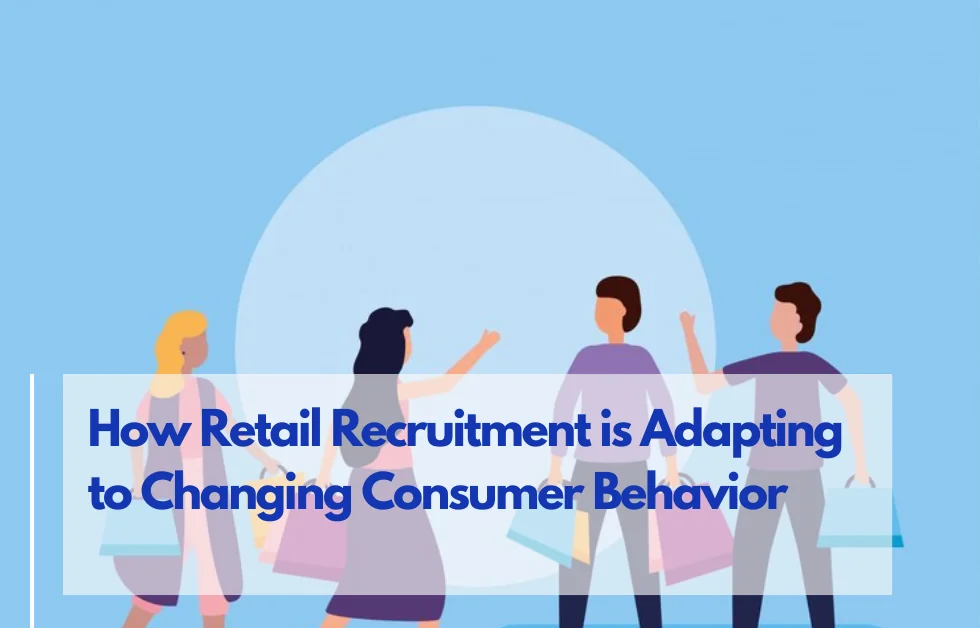
The retail industry has undergone a transformation over the years, driven largely by changing consumer behaviors and technological advancements. As customers’ expectations and shopping habits change, retail recruitment agencies must adapt to ensure they attract and retain the right talent. This adaptation is necessary for maintaining a competitive advantage in a constantly shifting market. With the rise of e-commerce, increased demand for personalized experiences, and the need for omnichannel strategies, retail recruiters face unique challenges. Hence, to tackle these challenges wisely, understanding how recruitment is advancing in response to these changes is essential for both employers and job seekers in the retail sector. According to a report by Statista, global retail e-commerce sales reached an estimated 5.8 trillion U.S. dollars in 2023. Their projections indicate a 39% growth in this figure over the coming years, with expectations to surpass eight trillion dollars by 2027.
How Is Retail Recruitment Adapting to Changing Consumer Behavior?
Embracing Digital Transformation
The digital era has revolutionized the retail industry, prompting retail recruitment agencies to embrace digital tools and platforms. These agencies now leverage social media platforms, AI-driven recruitment software, and online job portals to identify and attract top talent. For instance, using LinkedIn and other professional networks allows recruiters to reach a vast pool of candidates who are tech-savvy and adaptable to the digital retail environment.
Focusing on Customer Experience Skills
As consumer expectations for personalized and exceptional customer service rise, retail staffing services prioritize candidates with strong customer experience skills. Recruiters look for individuals who can deliver outstanding service, whether in physical stores or through online platforms. Training programs that emphasize customer interaction, empathy, and problem-solving are becoming more common, ensuring that staff can meet and exceed consumer expectations. A PwC report found that 73% of consumers cite customer experience as an important factor in their purchasing decisions.
Leveraging Data Analytics
Data analytics has become important in modern retail recruiting. Retail recruiters use data to understand market trends, candidate preferences, and performance metrics. This data-driven approach helps in making informed hiring decisions, identifying skill gaps, and predicting future recruitment needs. By analyzing consumer behavior data, recruiters can anticipate the demand for specific roles and tailor their strategies accordingly.
Better Employer Branding
In a competitive job market, creating strong employer branding is essential. Retail recruiters focus on building and promoting a positive company image to attract top talent, which includes highlighting the company’s culture, values, and career development opportunities. A strong employer brand resonates with candidates who are increasingly looking for meaningful work that aligns with their personal values.
Offering Flexible Work Arrangements
The demand of employees for flexible work arrangements has grown majorly, influenced by changes in consumer behavior and the global pandemic. Retail temp agencies and permanent recruitment services offer flexible job opportunities, such as remote work, part-time positions, and gig work. This flexibility not only attracts a wider range of talent but also meets the needs of a dynamic retail environment that requires adaptability and quick responses to consumer demands.
Prioritizing Diversity and Inclusion
Consumers today expect brands to champion diversity and inclusion. Retail recruitment agencies are increasingly prioritizing these values in their hiring practices. By promoting a diverse workforce, retailers can better understand and serve a varied customer base. Recruitment strategies now include bias training, diverse hiring panels, and partnerships with businesses that support underrepresented groups.
Investing in Training and Development
Ongoing training and development are essential in keeping up with the fast-paced retail sector. Retail staffing services invest in continuous learning programs to equip employees with advanced skills and knowledge. This includes training in new technologies, sales techniques, and customer service practices. By promoting a culture of continuous improvement, retailers ensure their staff can adapt to changing consumer behaviors and market trends. According to a report by LinkedIn, 75% of employees would take a manager suggested course for skills and career development.
Utilizing Predictive Hiring Tools
Predictive hiring tools powered by artificial intelligence and machine learning are becoming increasingly popular in retail recruiting. These tools analyze a vast array of data points to predict which candidates will be successful in specific roles. By using predictive analytics, recruiters can make more accurate hiring decisions, reduce turnover rates, and improve overall employee performance.
The retail industry’s adaptation to changing consumer behavior extends to recruitment practices. By adopting the above-mentioned and various other aspects, retail recruitment agencies can effectively meet the demands of the modern retail industry. If you are looking to recruit skilled talent for your retail business, choose Prompt Personnel.
Prompt Personnel is one of the leading retail recruitment agencies in Mumbai, offering excellent services for 27+ years. With our expertise and experience, we help the retail industry and businesses to onboard top talent and lead the path of growth. Along with retail staffing services, we also offer services for HR outsourcing, temporary and permanent staffing solutions, contract staffing, labor law advisory, and many more. Our experts have a deep understanding of the retail sector and provide quality services. By understanding your business goals and recruitment concerns, we ensure that your company is equipped with the right talent to stay competitive in the market.
Offering services with utmost dedication and innovation over the years, we have successfully earned various awards and recognitions. The recent one includes Great Place to Work and Future Ready Organization for the year 2024-25.
Get in touch with Prompt Personnel today to onboard top talent for your retail business!
by Prompt Personnel | Jul 26, 2024 | Uncategorized
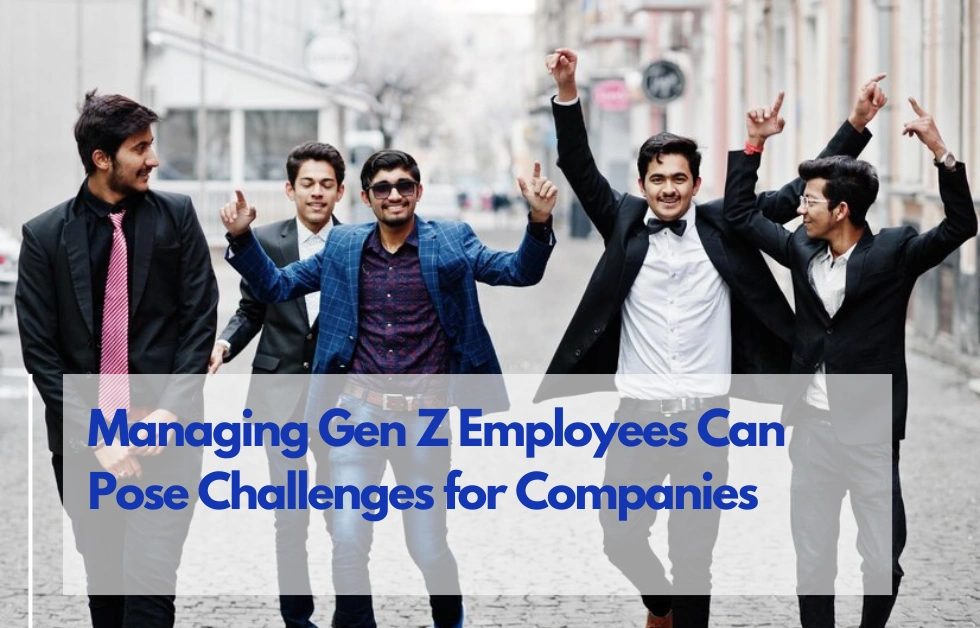
With the new generation getting active in securing employment opportunities in organizations, the workforce is undergoing a dramatic shift. Generation Z, or Gen Z, who were born between the mid-1990s and early 2010s, is now the fastest-growing demographic in the workplace, poised to make up around 27% of the global workforce by the year 2025. While Gen Z brings a wealth of digital fluency, different perspectives, unique approaches and working styles, and a strong focus on social purpose, managing them effectively can present challenges for companies accustomed to working with older generations.
Being one of the leading HR consultants in Mumbai, we have shared insights about this aspect. Here, you can explore the challenges and proposed strategies to bridge the generational gap and create a thriving and engaged Gen Z workforce in your organization.
Understanding the Distinctive Traits of Gen Z
Gen Z is a generation which is defined by technology. They are digital natives, comfortable with constant connectivity and a world of quick information at their fingertips. They value authenticity, purpose, and work-life balance; hence, they prefer companies that align with their social values and offer flexible work arrangements. Additionally, Gen Z is highly entrepreneurial and looking for opportunities for growth and development within their careers.
Challenges in Managing Gen Z Employees
Communication Styles
Gen Z employees prefer direct, concise communication and may find the traditional top-down approach outdated. Organizations can address this by adopting more open communication channels, such as instant messaging and collaborative platforms, to effectively engage Gen Z employees. However, this doesn’t negate the importance of face-to-face interaction. Regular team meetings and one-on-one sessions are still essential for building rapport, providing constructive feedback, and promoting a sense of connection.
Learning and Development
They crave continuous learning and development opportunities. Companies can address this by offering flexible learning platforms, micro-learning opportunities, and mentorship programs. However, Gen Z’s preferred learning style goes beyond traditional classroom settings. Hence, organizations can incorporate gamification elements into their training programs to make learning more interactive and engaging. They can also leverage online learning platforms that offer bite-sized content modules that Gen Z can access on-demand and at their own pace.
Work-Life Balance
Gen Z prioritizes a healthy work-life balance. Organizations can attract and retain top Gen Z talent by providing flexible work arrangements, remote work options, and generous paid time off policies. However, creating a culture of work-life balance goes beyond just offering flexible hours. It’s about establishing clear boundaries and expectations to prevent work from bleeding into personal time. Organizations can also promote healthy habits by providing wellness programs and encouraging employees to take breaks throughout the workday.
Purpose-Driven Work
Gen Z employees want to feel like their work makes a difference. Companies can address this by promoting a culture of social responsibility and aligning company values with Gen Z’s desire to contribute to the greater good. But the purpose is more than just a lofty mission statement. It’s about giving Gen Z employees a sense of ownership over their work and showing them how their individual contributions impact the company’s overall goals. Organizations can achieve this by providing opportunities for Gen Z to participate in meaningful projects and by regularly recognizing and rewarding their achievements.
Managing Expectations
Gen Z is a highly ambitious generation with a strong desire for growth. Companies can cater to this by providing clear career paths, regular feedback sessions, and opportunities for advancement. However, managing expectations is a two-way street. While companies need to provide clear roadmaps for career progression, Gen Z employees also need to understand that advancement takes time and requires continuous learning and development. Conducting regular performance reviews can help set realistic goals and expectations and ensure Gen Z employees feel supported in their career journeys.
Strategies for Effective Gen Z Employee Management
Embrace Technology
Leverage technology to create a work environment that serves Gen Z’s digital fluency. Organizations can utilize project management platforms that facilitate seamless collaboration, communication tools that allow for real-time feedback, and internal knowledge-sharing platforms that empower Gen Z employees to learn from each other and access information on demand.
Invest in Training and Development
Provide ongoing learning opportunities that cater to Gen Z’s short attention spans and preferred learning styles. Offer bite-sized micro-learning modules, gamified learning experiences, and peer-to-peer learning opportunities. You can also invest in mentorship programs that pair experienced professionals with Gen Z employees to provide guidance and career development support.
Create a Culture of Flexibility
Recognize that a one-size-fits-all approach to work schedules won’t resonate with Gen Z. Offer flexible work arrangements such as compressed workweeks, remote work options, and flexible start and end times. This will not only improve work life balance but also serve to Gen Z’s desire for autonomy and control over their work schedules.
Define Your Purpose
You should clearly articulate your company’s mission, vision, and social values. Highlight how individual roles contribute to the company’s overall purpose and impact. You can showcase the company’s commitment to social responsibility and environmental sustainability initiatives that resonate with Gen Z’s desire to make a positive difference in the world.
Empower and Engage
Move away from traditional hierarchical structures and promote a culture of empowerment. You can involve Gen Z employees in decision-making processes, encourage them to share their unique ideas, and provide opportunities for them to take ownership of projects. Also, recognize and reward their contributions to cultivate a sense of belonging and purpose.
By understanding the unique challenges of Gen Z employees adapting company culture and implementing the proper practices accordingly, companies can not only overcome the challenges of managing this generation but also leverage their strengths to build a dynamic and future-proof workforce. However, dealing with the generational shift effectively requires a strategic approach. This is when organizations choose to partner with HR outsourcing services providers.
Prompt Personnel, one of the best HR consultants in India, has expertise and experience in managing diverse workforces. With 25+ years of experience, we offer services such as HR outsourcing, temporary and permanent staffing solutions, labour law advisory, and many more. Considering the Gen Z workforce, our professionals understand and develop tailored strategies to attract and retain top Gen Z talent.
Being awarded as a Great place to work and a Future Ready Organization for 2024-25, we take immense pride in our offered services. Our team, with dedication, innovation, and the best solutions, helps to bring outstanding results for your organizational goals.
Get in touch with Prompt Personnel to bridge the generational gap and create a thriving workplace for Gen Z employees.