by Prompt Personnel | Jul 4, 2024 | Uncategorized
Understanding employee rights in India is fundamental to fostering a fair, productive, and respectful workplace. These rights ensure that employees are treated justly and protected from exploitation. Common employee rights include the right to a safe and healthy work environment, fair wages, non-discrimination, privacy, and the ability to join a union and engage in collective bargaining.
What are Employee Rights?
Employee rights refer to the various entitlements and protections workers have under labour laws and regulations. They are the backbone of a fair and equitable workplace, assuring employees are treated fairly and with dignity. Understanding labour law employee rights is essential for both employers and employees to maintain a compliant and harmonious work environment. These rights cover a wide range of areas, from basic workplace safety to protection against discrimination and harassment. For instance, the right to a safe and healthy work environment goes beyond physical safety. It also includes psychological safety, the employees feel secure and supported in their work environment.
This can involve measures such as providing resources for mental health support and creating a culture of open communication. Another vital aspect of employee rights is fair compensation. Beyond just receiving a paycheck, fair compensation encompasses factors such as equal pay for equal work, transparent salary structures, and opportunities for advancement and growth. This ensures that employees feel valued and recognized for their contributions to the organization.
Non-discrimination is a cornerstone of employee rights, ensuring individuals are treated fairly and without bias. This includes protection against discrimination based on factors like race, gender, age, religion, disability, or sexual orientation. Creating a diverse and inclusive workplace fosters innovation and creativity and ensures that every employee has an equal opportunity to succeed.
What are the Different Types of Employee Rights in India?
In India, employee rights are governed by a variety of laws and regulations aimed at protecting workers’ interests and promoting fair treatment in the workplace. These employee rights cover a wide range of areas, including but not limited to:
- The Right to Have Gratuity and Provident Fund: These are essential benefits that provide financial security to employees, particularly during retirement.
- The Right to Have Maternity Benefits: Ensuring that female employees are provided with adequate support and benefits during pregnancy and childbirth.
- The Right to Be Protected From Discrimination, Harassment, and Hostile Environment in Workplace: Guaranteeing a work environment free from discrimination, harassment, and hostility, where every employee feels respected and valued.
- The Right to Freedom of Association and Collective Bargaining: Allowing employees to join trade unions and engage in collective bargaining to negotiate better working conditions and terms of employment.
- The Right to Be Paid for Hours Worked: Ensuring that employees receive fair compensation for the time and effort they invest in their work.
These rights are enshrined in various laws and regulations, such as the Industrial Disputes Act, the Factories Act, and the Minimum Wages Act, among others. By upholding these rights, employers can create a more equitable and supportive workplace that benefits both employees and the organization as a whole. Understanding workplace rights for employees India helps organizations build trust and ensure long-term workforce stability.
Employee Rights in Professional Ethics
Professional Ethics
Professional ethics play a crucial role in upholding employee rights. Ethical practices ensure that employees are treated with respect and fairness, fostering a positive work culture. Upholding these rights promotes fairness and equality, boosts employee morale and productivity, and reduces turnover.
Ethical practice
Ethical practices in the workplace include treating employees with respect, providing fair compensation, and ensuring a safe and healthy work environment. These practices create a positive work culture where employees feel valued and respected.
Professional ethics
Professional ethics also involve transparency and honesty in dealing with employees. Employers should communicate openly with employees, provide clear expectations, and address any concerns or grievances promptly and fairly. This fosters trust and loyalty among employees.
Upholding employee rights and employer obligations through ethical practices benefits both employees and employers. Employees who are treated ethically are more motivated and productive, leading to higher job satisfaction and lower turnover rates. Employers who adhere to ethical practices enhance their reputation and attract better talent.
Importance of Upholding Employee Rights
Upholding employee rights in India is vital for several reasons.
Fairness and equality
It promotes fairness and equality by ensuring that all employees are treated equally and fairly. This creates a positive work environment where employees feel valued and respected.
Boost employee morale
Upholding employee rights boosts employee morale and productivity. Employees who know their rights and feel that they are being treated fairly are more motivated and engaged in their work. This leads to higher productivity and better job performance.
Reduce turnover
Upholding employee rights reduces turnover. Employees are more likely to stay with an organization that respects their rights and provides a positive work environment. This reduces the costs associated with hiring and training new employees and helps maintain a stable and experienced workforce.
Prevent legal issues
Upholding employee rights helps prevent legal issues and disputes. Employers who comply with labour laws and respect employee rights under labour law are less likely to face legal challenges and penalties. This protects the company from costly litigation and damage to its reputation.
Company’s reputation
Upholding employee rights enhances the company’s reputation. Companies are known for treating their employees fairly and ethically and are more attractive to potential employees and clients. This positive reputation can help the company attract and retain top talent and build strong business relationships.
Key Employer Rights for Business Owners
For business owners, knowing your rights as an employer is crucial for maintaining a fair and efficient workplace. These rights not only ensure compliance with legal standards but also help in effectively managing employees and protecting the business’s interests. Understanding employer obligations under labour law along with employer rights helps businesses establish a balanced and structured workplace. From safeguarding confidential information to establishing workplace policies, understanding these rights empowers employers to create a structured and professional environment.
- Right to Hire or Fire: Employers have the authority to hire suitable candidates and fire employees based on performance, misconduct, or company policy violations, following legal procedures.
- Right to Confidentiality/ Non-Disclosure: Employers can require employees to sign NDAs to protect sensitive information and trade secrets.
- Right to Implement a Work Policy: Employers can draft and enforce HR policies covering conduct, work hours, leave, salary, and grievance redressal.
- Right to Receive Notice of Resignation: Employers can demand a notice period before an employee resigns to ensure a smooth transition.
- Right to Be Notified of Employee’s Leave: Employers must be informed of any leave taken by employees and have the right to approve or reject leave applications.
Employer Obligations
Employer obligations refer to the duties and responsibilities that employers have towards their employees. These employer obligations under labour law are essential for creating a fair, respectful, and productive workplace. Key employer obligations include providing a safe and healthy work environment, ensuring fair compensation and benefits, complying with labour laws and regulations, and addressing grievances promptly and fairly.
Maintaining Workplace Safety and Health Standards
Providing a safe and healthy work environment is a fundamental employer obligation. Employers must comply with health and safety regulations to ensure that their workplaces are safe for employees. This includes identifying and mitigating workplace hazards, providing necessary safety equipment, and maintaining cleanliness and hygiene.
Offering Equitable Compensation and Benefits
Ensuring fair compensation and benefits is another crucial employer obligation. Employers must pay at least the minimum wage as defined by law and provide equal pay for equal work. Additionally, employers should offer statutory benefits like Provident Fund (PF) and Employee State Insurance (ESI) to provide financial security to employees.
Adhering to Labour Laws and Standards
Complying with labour laws and regulations is a key employer obligation. Understanding employer obligations under labour law enables organizations to stay compliant with statutory requirements while reducing legal risks. Compliance with these laws ensures that employees are treated fairly and prevents legal disputes.
Resolving Employee Grievances Fairly and Promptly
Addressing grievances promptly and fairly is also an important employer obligation. Employers must establish clear procedures for addressing employee complaints and ensuring that they are resolved in a timely and fair manner. This promotes a positive work environment and helps maintain employee trust and loyalty.
Employer Obligations Grievance
Handling grievances effectively is a critical employer obligation. Employers must establish clear procedures for addressing employee complaints and ensuring that they are resolved promptly and fairly. This not only ensures compliance with labour laws but also promotes a positive work environment.
- A well-defined grievance procedure should include several steps. First, employees should be encouraged to raise their concerns with their immediate supervisor or manager. If the issue is not resolved at this level, employees should have the option to escalate the complaint to higher management or the human resources department.
- Employers should ensure that all grievances are documented and investigated thoroughly. This involves gathering relevant information, interviewing involved parties, and reviewing any evidence. The investigation should be conducted impartially and confidentially to protect the rights of all parties involved.
- Once the investigation is complete, employers should communicate the findings and any proposed actions to the employee. If the grievance is found to be valid, appropriate corrective actions should be taken to address the issue and prevent it from recurring. Employers should also follow up with the employee to ensure that the issue has been resolved satisfactorily.
Benefits of Compliance for Employers
- Enhanced Reputation and Talent Attraction: Adhering to employee rights and obligations significantly boosts a company’s reputation. This positive image helps in attracting and retaining top talent, which is essential for the organization’s success and growth.
- Protection from Legal Issues: Compliance with labor laws shields the company from legal disputes and penalties. Employers who understand and respect employee rights are better positioned to avoid legal issues and fines, ensuring the company’s long-term stability.
- Increased Productivity: When employees feel valued and respected, they are more motivated and engaged in their work. This heightened motivation leads to increased productivity and improved job performance, benefiting the company as a whole.
- Reduced Turnover: Employees are more likely to stay with an organization that respects their rights and fosters a positive work environment. This reduces hiring and training costs, maintaining a stable and experienced workforce.
- Positive Workplace Culture: Compliance promotes a culture of respect and fairness. When employees feel their rights are respected, they exhibit positive attitudes towards their work and employer, contributing to the overall success and harmony of the organization.
Prompt Personnel: Your Ideal Choice for Understanding Employee Rights
Prompt Personnel, with 27 years of experience, is your ideal choice for understanding employee rights in India and labour law compliance. With our expertise and knowledge in the field, we can provide you with comprehensive guidance on employee rights and employer obligations. Our team of experts is dedicated to ensuring that you are well-informed about your rights and responsibilities in the workplace.
Whether seeking clarity on employee rights under labour law or striving for compliance with labour laws, Prompt Personnel offers services tailored to meet your needs. From legal consultation to training programs and compliance audits, we are committed to supporting you every step of the way.
Contact Prompt Personnel today to learn how we can help you navigate the complexities of employee rights and employer obligations, ensuring a fair, respectful, and productive workplace for all.
Conclusion
In essence, prioritizing employee rights and employer obligations creates a positive work culture where fairness, equality, and mutual respect prevail. A strong understanding of employee rights in India, workplace rights for employees India, and employer obligations under labour law enables organizations to create sustainable and legally compliant workplaces.
In conclusion, a commitment to understanding and upholding employee rights and employer obligations under labour law is essential for creating thriving workplaces where both employees and employers can thrive and succeed together.
1. What are employee rights and responsibilities?
Employee rights are entitlements and protections under labour laws, ensuring fair treatment and protection from exploitation. Responsibilities include adhering to company policies, performing job duties, and maintaining workplace conduct.
2. What employee rights are specific to private employees in India?
Private employees in India are entitled to fair wages, safe working conditions, protection from discrimination, provident fund benefits, and the right to maternity leave, among others.
3. How do professional ethics relate to employee rights?
Professional ethics ensure that employees are treated with respect and fairness, fostering a positive and equitable work culture. This includes ethical practices like fair compensation, transparency, and addressing grievances promptly.
4. What should an employee do if their rights are violated?
Employees should report violations to their HR department, seek assistance from labour unions, or consult legal professionals to address the issue.
5. What are the obligations of employers in India regarding employee welfare?
Employers must provide a safe work environment, ensure fair compensation, comply with labour laws, and address grievances promptly and fairly.
6. Can an employer demand an NDA from employees?
Yes, employers can require employees to sign non-disclosure agreements (NDAs) to protect sensitive information and trade secrets.
7. What is the importance of maintaining a positive work environment?
A positive work environment boosts employee morale, productivity, and reduces turnover, leading to a more motivated and engaged workforce.
8. How can companies benefit from complying with labour laws?
Compliance with labour laws enhances the company’s reputation, attracts top talent, increases productivity, reduces turnover, and prevents legal issues.
9. What are some examples of fair compensation practices?
Fair compensation practices include paying at least the minimum wage, ensuring equal pay for equal work, providing transparent salary structures, and offering opportunities for advancement.
10. What is collective bargaining and why is it important?
Collective bargaining is the process where employees negotiate with employers for better working conditions and terms of employment. It is important as it empowers employees to secure fair treatment and benefits.
11. What are some common examples of employee grievances, and how should they be addressed?
Common grievances include issues related to unfair wages, unsafe working conditions, discrimination, harassment, and wrongful termination. Employers should have a clear grievance redressal procedure, ensure timely and fair resolution, and take corrective actions to prevent future occurrences.
12. Why is it important for employees to be aware of their rights and responsibilities?
Awareness of rights and responsibilities helps employees protect themselves from exploitation, ensure fair treatment, and fulfill their job roles effectively. It also fosters a culture of mutual respect and accountability in the workplace.

by Prompt Personnel | Jul 1, 2024 | Human Resources
The COVID-19 pandemic has dramatically accelerated the significance of data, AI, digital technologies, and human skills, leading to more flexible organizational structures. One primary question that has emerged is: Is working from home better than working from the office, or is a hybrid culture the optimal solution?
In this blog, we will explore how to cope with the rise of hybrid culture in 2024 and examine whether it is here to stay.
What is a Hybrid Work Culture?
A hybrid work culture blends virtual and in-person work arrangements. Over the past few years, this culture has opened many doors to understanding different perspectives, values, and backgrounds, contributing to greater diversity and breaking old patterns.
The hybrid model offers numerous benefits:
- Improved Flexibility: Enhanced productivity due to flexible work arrangements.
- Location Independence: Access to a global talent pool, diversifying hiring options.
- Cost Reduction: Savings on physical office space can be redirected towards technology upgrades or wellness programs.
However, hybrid work also presents challenges, such as reduced predictability, inadequate work setups, and disturbances in work-life balance.
Despite these challenges, the hybrid work culture is here to stay. Here are some strategies to cope with its rise:
Keep Technology and Tools Handy
Utilize tools like Trello, Slack, and Zoom to stay connected and maintain team cohesion. These tools help facilitate seamless communication and collaboration, ensuring that work progresses smoothly regardless of location.
Ask What Your Employees Want
Engage in open discussions with your employees to understand their preferences. Don’t assume that remote work is the best option for everyone. Engage employees in the decision-making process, so that you can build a work strategy that suits your organization’s unique needs.
Highlight Remote Hiring on Your Job Portal
When offering a hybrid workplace strategy, advertise this to potential candidates. Remote hiring expands your talent pool, allowing you to attract the best talent without geographical limitations.
Ensure Efficient Communication Flow
Maintain efficient communication channels between remote and in-office staff. Provide flexible communication tools to ensure no team member feels left out. Effective communication is important aspect for the success of a hybrid team.
Embrace Adaptability
Be open to changes in workflows and processes. Hybrid work requires a willingness to adapt and experiment with what works best for your team. Embracing flexibility and iterating on your strategies will lead to long-term success.
Foster a Strong Company Culture
Maintaining a cohesive company culture in a hybrid environment can be challenging. Organize regular virtual team-building activities, create online social spaces, and celebrate achievements to keep the team spirit alive. A strong culture fosters engagement and loyalty, even when employees are physically apart.
Invest in Employee Well-being
Hybrid work can blur the lines between personal and professional life, leading to burnout. Implement wellness programs, offer mental health resources, and encourage regular breaks to support your employees’ well-being.
Provide Clear Expectations and Guidelines
Ensure that all employees understand what is expected of them in a hybrid work setting. Clear guidelines on availability, communication protocols, and performance expectations help prevent misunderstandings and ensure everyone is on the same page.
Enhance Cyber-security Measures
With remote work, cyber-security becomes even more critical. Invest in powerful security measures to protect sensitive company data. Provide training on best practices for remote work security to ensure that all employees know potential risks.
Leverage Data and Analytics
Utilize data and analytics to track productivity, employee engagement, and overall performance in a hybrid work environment. This data can provide insights into what is working well and where improvements are needed, enabling you to make informed decisions.
Offer Training and Development Opportunities
Provide ongoing training and development opportunities tailored to a hybrid work environment. Equip your employees with the skills they need to thrive in a flexible work setting. This not only enhances their capabilities but also shows that you are invested in their growth.
Encourage Work-Life Balance
Promote a healthy work-life balance by encouraging employees to set boundaries and prioritize their personal time. Flexible work arrangements should not lead to overworking. Encourage employees to unplug after working hours to prevent burnout.
Utilize Hybrid Work Spaces Effectively
Design your office space to accommodate hybrid work. Create collaborative areas for team meetings and solo spaces for focused work. This flexibility in office design ensures that employees can choose the best environment for their tasks.
Monitor and Adjust Hybrid Work Policies
Regularly review and adjust your hybrid work policies based on feedback and changing needs. What works today may need tweaking tomorrow. Stay agile and open to changes to ensure your hybrid work strategy remains effective.
Build Trust and Accountability
Trust is crucial in a hybrid work environment. Focus on outcomes rather than hours worked. Empower employees by giving them autonomy over their work while holding them accountable for their results. Building a culture of trust boosts morale and productivity.
Facilitate Cross-Functional Collaboration
Encourage collaboration across different teams and departments. Hybrid work can sometimes lead to silos. Create opportunities for cross-functional projects and regular inter-departmental meetings to foster collaboration and innovation.
Streamline On-boarding Processes
On-boarding new employees in a hybrid environment requires a well-structured process. Ensure that new hires receive the essential training, resources, and support to step in smoothly into the company, regardless of their location.
Address Legal and Compliance Issues
Ensure that your hybrid work policies comply with local labor laws and regulations. This includes understanding tax implications, health and safety requirements, and employment laws in different jurisdictions where your employees may be located.
Measure Success and Celebrate Achievements
Regularly measure the success of your hybrid work strategy through key performance indicators (KPIs) and employee feedback. Celebrate milestones and achievements to keep morale high and recognize the hard work of your team.
Plan for the Future
The future of work is likely to be hybrid. Stay ahead by continuously innovating and improving your hybrid work practices. Stay informed about emerging trends and technologies that can enhance your hybrid work environment.
Despite its challenges, the hybrid workplace offers significant opportunities. Embracing these opportunities can lead to a more dynamic and resilient organization.
If you need assistance formulating your HR policies, please reach out to us at [email protected] or 8657864977.
By adopting these strategies, you can effectively navigate the rise of hybrid work culture and leverage its benefits for a more productive and engaged workforce.
by Prompt Personnel | May 9, 2024 | Human Resources, Job, Uncategorized
Introduction
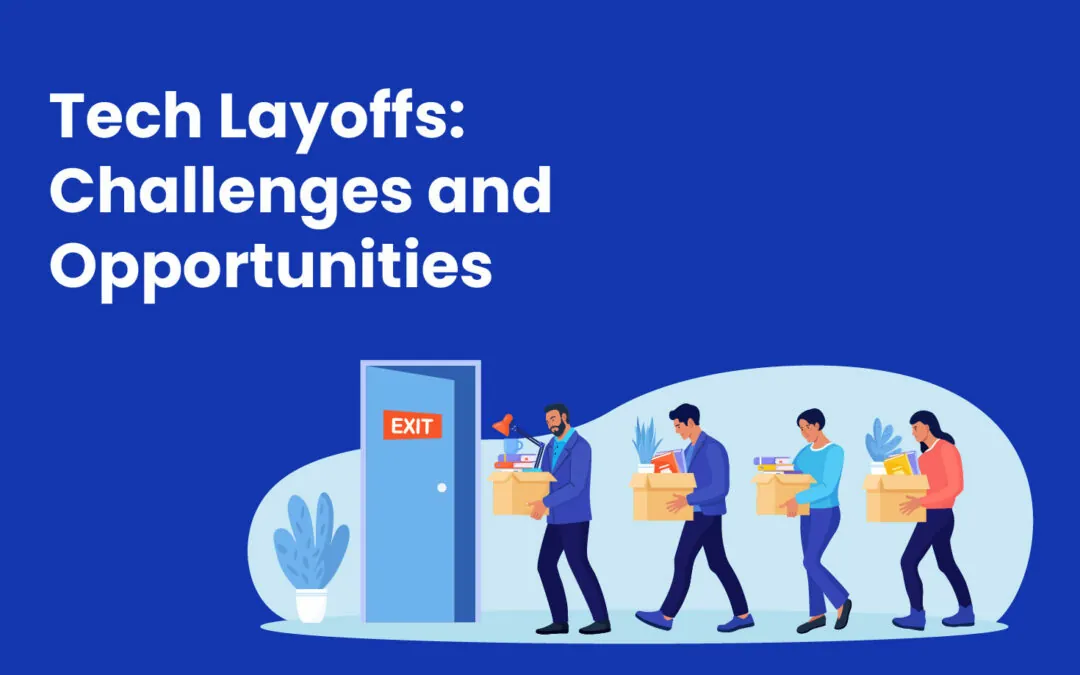
The tech sector, long celebrated for its breakneck growth and boundless optimism, now faces a harsh reality: a wave of layoffs sweeping across the industry. From established giants like Google and Meta to promising startups that once embodied the future, companies are shedding employees at an alarming rate. This dramatic shift has sent shockwaves through the tech ecosystem, leaving workers scrambling for answers and grappling with uncertainty about their futures
The complexities surrounding the current wave of tech layoffs. Let us understand the key factors driving this trend with its far-reaching impact on the global job market and the long-term implications for the tech labour market. By understanding these issues, we can empower tech professionals to navigate this challenging landscape and identify potential opportunities within it.
Tech Layoffs: Why It’s Happening
Recent layoffs in tech aren’t just about cutting costs. The world is facing some bumps (like the pandemic and conflicts), making it tougher for companies to predict the future. This means tech companies are taking a step back to see where they can save money and focus on what’s most important to their business right now. Sometimes, this means letting some employees go.
Technological Disruptions and Skill Misalignments
The relentless march of technological progress continues to reshape the landscape of the tech industry, introducing automation, artificial intelligence, and digitization as disruptive forces. While these innovations offer opportunities for growth and efficiency, they also necessitate a workforce equipped with the requisite skills to navigate the evolving terrain. However, mismatches between existing skill sets and emerging job requirements can leave employees vulnerable to displacement amidst the tumult of layoffs.
What are the reasons behind the recent wave of tech layoffs?
The recent wave of tech layoffs isn’t driven by a single factor, but rather a complex interplay of economic and strategic forces. A potential economic slowdown, driven by rising interest rates and recession fears, is pushing companies to become more cost-effective, often through workforce reductions. Additionally, tech companies themselves are undergoing restructuring, streamlining operations and potentially eliminating redundant positions or consolidating roles
Automation is another factor at play, as it displaces workers in areas where machines can perform tasks more efficiently. Furthermore, some companies are choosing to outsource work to countries with lower labour costs, reducing their domestic headcount. Mergers and acquisitions also contribute to layoffs as companies eliminate redundancies and restructure their teams. Finally, even startups, facing funding challenges, might be forced to implement workforce reductions.
What sectors within the tech industry are most affected by layoffs?
While the impact of layoffs is felt across the tech industry, some sectors seem to be bearing the brunt more than others. Companies focusing on hardware development and manufacturing might be experiencing a greater number of job cuts as automation takes hold in these areas. Additionally, sectors reliant on advertising revenue, such as social media and online advertising platforms, might be scaling back due to economic concerns impacting advertising budgets. Startups across various tech sectors, especially those struggling to secure funding, are also facing significant workforce reductions. It’s important to note that specific layoffs can vary depending on the company and its core business, but these sectors seem to be particularly vulnerable in the current climate.
What skills are in demand for tech professionals amidst layoffs?
While recent layoffs have shaken the tech industry, they’ve also shed light on the most in-demand skills. Companies are refocusing their efforts on areas crucial for future growth, creating a surge in demand for these specific tech roles and skillsets:
● Artificial Intelligence (AI): With massive investments and billion-dollar valuations in AI, companies are aggressively seeking top talent in this field. Google’s Bard and Microsoft’s investment in ChatGPT showcase the growing importance of AI, particularly in areas like advanced chatbots.
● Cloud Engineers: The rise of AI goes hand-in-hand with the need for cloud engineers. These specialists design and manage cloud services like Azure and AWS, demanding a deep understanding of web development and containerized applications.
● Cybersecurity Experts: Data security remains a top concern, making cybersecurity skills highly sought-after. These professionals develop, implement, and test security protocols, safeguarding networks from cyber threats like malware and data breaches.
● Data Scientists: Companies are recognizing the power of data-driven decision-making. They require professionals with expertise in analytics, data engineering, and machine learning. Proficiency in languages like Python, Java, SQL, and C# is essential for these roles.
● User Interface (UI) Designers: As customer experience takes centre stage, companies need UI designers. These specialists create user interfaces that are visually appealing, user-friendly, and functional. They excel in crafting engaging layouts that highlight product benefits and cater to diverse user needs.
Charting a Path Forward
As the tech sector grapples with the complexities of mass tech layoffs, stakeholders are called upon to collaborate and innovate in pursuit of a brighter future. By embracing technological disruptions, fostering a culture of lifelong learning and adaptability, and prioritizing the well-being of their workforce, companies can navigate the challenges posed by layoffs and emerge stronger and more resilient. Similarly, employees are encouraged to seize opportunities for self-improvement, leverage available resources for career transition, and embrace change as a catalyst for personal and professional growth.
The Ripple Effect: How Tech Layoffs Impact the Job Market
The human cost of tech layoffs is undeniable. Skilled workers face unemployment, financial strain, and a loss of professional momentum. This can create a ripple effect throughout the economy, impacting consumer spending and confidence. Furthermore, these layoffs can have a chilling effect on overall job security within the tech industry. Workers who remain employed might experience heightened anxiety about their own positions. This can lead to a decrease in morale and productivity. The impact isn’t limited to the tech sector. As laid-off workers re-enter the job market, they may compete for positions in other industries, potentially affecting job security and wages across the board
The Situation in India: While tech layoffs are a global phenomenon, India has also seen its share of workforce downsizing. Some reports suggest a slight decrease in startup layoffs compared to previous quarters, but major tech companies are still implementing job cuts.
Conclusion: A Time for Resilience and Adaptation
The tech industry is currently experiencing a period of significant change. While the wave of layoffs presents challenges, it’s also a time for resilience and adaptation.
Moving Forward
The tech industry is known for its constant evolution. This period of upheaval, while challenging, is also an opportunity for growth and transformation. By staying informed, adaptable, and continuously developing your skillset, you can navigate this landscape and emerge stronger.
Remember, the tech industry is a resilient one. To overcome these challenges and build a more sustainable and prosperous future for the tech workforce.
A Note of Hope
Despite the constant headlines about layoffs, it’s important to remember that there are still companies hiring. This period presents a valuable opportunity for smaller and mid-sized companies to scale their operations and attract talented individuals who have been recently laid off from larger tech firms.
Prompt Personnel can assist organizations in finding these job seekers in their search. With an extensive network of talent looking for opportunity working with you.
FAQs:
-
- Will tech layoffs continue in 2024?
Economic jitters (potential recession, inflation) and evolving business needs (streamlining, new tech adoption) are forcing tech giants to restructure, leading to layoffs in 2024.
- Are Tech Layoffs Happening Because of AI?
While some companies might cite a focus on AI as a reason for layoffs, the bigger picture is more nuanced. It’s likely not about outright replacing workers with AI, but rather restructuring teams to have fewer employees with stronger AI expertise. This allows companies to leverage AI more effectively while potentially reducing overall workforce size.
- Is India Experiencing Tech Layoffs in 2024?
Yes, layoffs have been happening in the Indian tech sector in 2024. Several companies have announced job cuts as part of cost-saving measures and restructuring plans. While the impact is felt globally, India has also seen its share of these workforce reductions.
- Will There Be More Job Cuts in 2024?
The future remains uncertain, but there are signs that the pace of tech layoffs might be slowing down. While some tech giants like Google continue restructuring and reducing workforce, the overall number of layoffs seems to be decreasing compared to earlier months of 2024.
- Will there be more layoffs in 2024?
Massive layoffs across the labour market aren’t likely in 2024. Despite some worrisome trends in the IT sector, widespread layoffs throughout the labour market still aren’t likely to happen anytime soon under current conditions, according to different reports.
- Are tech companies still laying off?
As of March 2024, more than 100s of tech companies have laid off more than 50,000 of workforce in 2024, according to Layoffs fyi. The overall labour sector appeared strong in 2022 and into 2023, but the tech sector layoffs tend to be the most visible.
- What is the impact of automation on tech jobs?
A: Automation is a double-edged sword. While it eliminates repetitive jobs due to efficiency gains, it also creates new opportunities in areas like automation management, data analysis, and cybersecurity.

by Prompt Personnel | Apr 30, 2024 | Human Resources, Job, Uncategorized
Introduction
In today’s dynamic business landscape, the role of Human Resources (HR) has evolved significantly. HR professionals are no longer confined to administrative tasks but are strategic partners in driving organizational success. Whether you’re an aspiring HR professional or a seasoned leader, job seeker understanding key HR concepts and terms is paramount. These terms serve as the foundation upon which effective people management strategies are built. Let’s delve into why knowing these terms is crucial and how they can benefit individuals and organizations alike.
Importance of Understanding HR Words and Terms
Enhancing Communication and Collaboration
By familiarizing yourself with HR concepts and terms, you can effectively communicate with colleagues, employees, and stakeholders. Clear communication fosters collaboration and ensures everyone is on the same page regarding HR policies, procedures, and initiatives.
Mitigating Legal Risks
Understanding HR concepts such as compliance, equal employment opportunity, and labor relations helps organizations navigate complex legal frameworks. By adhering to relevant laws and regulations, businesses can mitigate legal risks and safeguard against potential liabilities.
Improving Decision-Making
HR concepts provide valuable insights into workforce dynamics, enabling data-driven decision-making. Whether it’s talent management, performance evaluation, or succession planning, knowing these terms equips leaders with the knowledge to make informed decisions that drive business growth.
Fostering Employee Engagement
Employee engagement is crucial for organizational success, and HR concepts play a pivotal role in fostering a positive work environment. Concepts like diversity and inclusion, talent management, and performance feedback contribute to creating a culture where employees feel valued, motivated, and committed to their work.
Supporting Organizational Growth
As businesses expand and evolve, HR concepts such as workforce planning and talent acquisition become increasingly important. Knowing these terms allows organizations to anticipate staffing needs, attract top talent, and effectively scale their operations to support growth objectives.
Read more about Top AI Jobs for 2024
The Top 15 HR Words and Terms
- Job Rotation: Job rotation involves systematically moving employees between different roles or departments within an organization. This practice helps employees gain diverse skills, experiences, and perspectives while reducing boredom and burnout. It also enables organizations to cross-train employees and enhance flexibility in workforce deployment.
- Succession Planning: Succession planning is the process of identifying and developing internal talent to fill key leadership positions within an organization in the future. It ensures a smooth transition of leadership roles and minimizes disruptions to business operations. By grooming high-potential employees, organizations can mitigate succession risks and maintain continuity.
- Redeployment: Redeployment refers to the process of reallocating employees to different roles or projects within the organization, often as a result of organizational restructuring, workforce optimization, or changes in business needs. It aims to retain valuable talent, enhance employee engagement, and optimize resource utilization.
- Employee Resource Group (ERG): An employee resource group (ERG) is a voluntary, employee-led organization within a company that serves as a support network and advocacy group for employees who share a common identity, background, or interest. ERGs promote diversity, inclusion, and belonging by providing networking opportunities, mentoring, and cultural awareness initiatives.
- Holacracy: Holacracy is a decentralized organizational structure that distributes authority and decision-making power across self-organizing teams or “circles.” It replaces traditional hierarchical management with a system of distributed leadership, autonomy, and accountability.
- Attrition: Attrition refers to the voluntary or involuntary departure of employees from an organization over a specified period. It can result from factors such as retirement, resignation, or termination. Understanding attrition rates and reasons is crucial for HR professionals to identify underlying issues, implement retention strategies, and maintain a stable workforce.

Commonly Confused HR Terms Explained
- JD vs JS (Job Description vs Job Specification): A job description (JD) outlines the duties, responsibilities, and qualifications required for a particular job role. On the other hand, a job specification (JS) details the specific skills, knowledge, and attributes necessary for successful performance in that role. While a JD focuses on tasks and responsibilities, a JS focuses on the qualifications and attributes of the ideal candidate.
- Job Enrichment vs Job Enlargement: Job enrichment involves enhancing a job by adding tasks that require more skill and responsibility, leading to increased autonomy and job satisfaction. Job enlargement, on the other hand, involves expanding a job’s scope by adding more tasks of similar complexity, aiming to reduce monotony and increase variety.
- Recruiting vs Sourcing: Recruiting involves the entire process of attracting, identifying, and hiring candidates for job vacancies within an organization. Sourcing, however, specifically refers to the initial stage of identifying and attracting potential candidates through various channels such as job boards, social media, and networking.
- Recruitment vs Staffing: Recruitment is the process of actively seeking out and attracting candidates to fill job vacancies within an organization. Staffing, on the other hand, is a broader term that encompasses all activities related to managing and deploying a workforce, including recruitment, selection, placement, and retention.
- Recruitment vs Selection: Recruitment involves attracting and identifying potential candidates for job vacancies, while selection involves assessing and choosing the most suitable candidates from the pool of applicants. Recruitment is about generating interest and applications, while selection focuses on evaluating candidates’ qualifications and fit for the job.
- Training vs Development: Training refers to the process of teaching specific skills and knowledge required to perform a particular job or task effectively. Development, on the other hand, is a broader term that encompasses activities aimed at enhancing employees’ overall capabilities, potential, and career growth, often focusing on long-term personal and professional growth.
- Employee Engagement vs Employee Satisfaction: Employee engagement refers to the emotional connection and commitment employees have towards their work, organization, and its goals. It involves factors such as motivation, involvement, and enthusiasm. Employee satisfaction, on the other hand, is a measure of how content employees are with their job, work environment, and organizational policies. While satisfaction reflects a general feeling of contentment, engagement goes beyond to encompass emotional and psychological investment in the organization’s success.
Trending Workplace Terms Among Gen Z Employees
In the fast-paced digital landscape serves as a hub for the exchange of ideas and trends, especially among Gen Z employees. Here are two trending workplace terms used by GenZs:
- Boomerang Employees: Boomerang employees refer to individuals who leave a company for a while and then return to work for the same organization later in their careers. This phenomenon has gained traction as the gig economy grows and professionals seek diverse experiences.
- Career Cushioning: Career cushioning is a term used to describe the practice of maintaining multiple job opportunities or side gigs as a form of financial security and career stability. Particularly popular among Gen Z employees who prioritize flexibility and autonomy in their careers.
Conclusion
In conclusion, familiarizing yourself with these unique HR concepts and terms goes beyond traditional HR knowledge and equips you with the insights and strategies needed to thrive in today’s rapidly evolving workplace. Whether you’re a business leader, HR professional, employee or jobseeker embracing these concepts can drive organizational success, foster a culture of innovation, and create a more inclusive and engaging work environment.
FAQs:
- Why are HR concepts and terms important for businesses?
Understanding HR concepts and terms is essential for businesses to effectively manage their workforce, attract top talent, and maintain a positive work environment. It helps businesses align their HR practices with organizational goals and ensures compliance with legal regulations.
- How can HR concepts benefit employees?
HR concepts such as performance management, talent management, and diversity and inclusion initiatives can benefit employees by providing opportunities for growth, recognition of their contributions, and fostering a supportive work environment where they feel valued and respected.
- What role does Prompt Personnel play as an HR end-to-end service provider?
Prompt Personnel serves as an HR end-to-end service provider, offering comprehensive solutions in recruitment, employee onboarding, performance management, compliance, and more. Their expertise helps businesses streamline their HR processes and focus on their core objectives.
- How can HR analytics improve decision-making within organizations?
HR analytics provides valuable insights into workforce trends, employee engagement levels, and performance metrics, enabling organizations to make data-driven decisions about talent management, resource allocation, and strategic planning. It helps HR professionals optimize their strategies and achieve better outcomes for the organization.
- What are some common challenges faced in HR management?
Common challenges in HR management include attracting and retaining top talent, managing workplace conflicts, ensuring compliance with employment laws, and adapting to technological advancements. HR professionals must continuously adapt and innovate to overcome these challenges and support the organization’s growth.
by Prompt Personnel | Apr 5, 2024 | Achievements
Introduction
Achieving the esteemed “Great Place to Work” certification is more than just a badge of honour; it’s a testament to an organization’s commitment to fostering a positive workplace culture. As we celebrate our two-year streak as a certified Great Place to Work, it’s essential to delve into what this certification entails, how companies can attain it, and the key ingredients that make a company truly great to work for.
What is Great Place to Work Certification?
The Great Place to Work® Certification is a globally recognized symbol of workplace excellence. It acknowledges organisations that create an outstanding employee experience, based on a rigorous two-step process. The first step involves the Trust Index Survey, a confidential employee survey that measures sentiment across five key dimensions: Credibility, Respect, Fairness, Camaraderie, and Pride. The second step is the Culture Brief™, a company questionnaire that delves deeper into your company culture, practices, and benefits. By analyzing both employee feedback and your company’s self-reported practices, Great Place to Work® provides a comprehensive picture of your internal environment.
- Credibility: Employees assess the leadership’s competence and ability to inspire trust.
- Respect: The survey gauges how employees feel valued and treated with fairness.
- Fairness: Perceptions of equal opportunities and the just treatment of all employees are measured.
- Pride: Employees’ sense of satisfaction and accomplishment in their work is evaluated.
- Camaraderie: The survey assesses the strength of relationships and sense of community within the team.
The Path to Certification of Great Place to Work
The path to GPTW Certification is open to organizations of all sizes and industries. Here’s a simplified breakdown of the process:
- Registration: Initiate the certification process by registering your company with Great Place to Work®.
- Employee Survey: Distribute the Trust Index Survey to your employees, ensuring anonymity and high participation rates.
- Culture Brief™: Complete the Culture Brief™, detailing your company’s culture, programs, and benefits.
- Analysis & Results: Great Place to Work® analyses the collected data to determine your certification status.
What Makes Prompt Personnel Truly a Great Place to Work Company?
Earning the Great Place to Work Award is a mark of distinction. But what sets these companies apart? While there’s no magic formula, some key qualities consistently emerge.
A Higher Purpose: Great workplaces understand that employees crave meaning. They want to feel like their work contributes to something bigger than themselves. Companies that foster a strong sense of purpose tap into this desire, creating a more engaged and motivated workforce.
Embracing Diversity: Great workplaces go beyond mere tolerance – they actively cultivate inclusivity. When individuals from diverse backgrounds feel valued, respected, and heard, it fosters a sense of belonging and sparks innovation.
Open Communication is Key: Transparency and clear communication are crucial for building trust between employees and leadership. Great workplaces prioritize open dialogue, keeping everyone informed and fostering a collaborative environment.
Investing in Growth: The best workplaces don’t see employees as cogs in a machine. They understand that people thrive when they have opportunities for learning and development. By investing in their personal and professional growth, companies ensure their employees feel valued and empowered to reach their full potential.
How We Achieved a Great Place To Work 2024?
In the competitive landscape of today’s business world, attracting and retaining top talent is paramount for organizational success. A significant means to set oneself apart as an attractive employer is by attaining the esteemed GPTW certificate.
Self-learning and Development Program (LMS)
At Prompt Personnel, we understand the importance of continuous learning and growth. That’s why we have encouraged our team to make the most of the Learning Management System (LMS) that empowers them to take charge of their professional development. Through this platform, they have access to a wide range of courses and resources tailored to their individual needs and career aspirations.
Town-hall Sessions
Transparent communication is key to fostering a positive workplace culture. Our regular Townhall sessions provide a direct line of communication between our director and employees. This open forum allows team members to voice their concerns, share feedback, and connect directly with leadership, ensuring that their voices are heard and valued.
External Training Sessions
We believe in investing in our employee’s skills and expertise. That’s why we organize training sessions conducted by external trainers who bring specialized knowledge and insights to our workforce. These sessions not only enhance our employees’ capabilities but also keep them abreast of the latest industry trends and best practices.
Mental Wellness Program (YourDOST App)
Employee well-being is a top priority for us. Through our partnership with the YourDOST app, we provide our team members with access to professional counselling and support services. This initiative aims to promote mental wellness and create a supportive environment where employees feel empowered to prioritize their mental health.
PoSH Policy
We are committed to fostering a safe and respectful workplace for all. Our Prevention of Sexual Harassment (PoSH) policy outlines our zero-tolerance approach towards any form of harassment or discrimination. We ensure strict adherence to this policy to create a conducive work environment where everyone feels respected and valued. We have recently introduced a Certificate course on PoSH at workplace, reinforcing our dedication to maintaining a safe and respectful environment for all.

Diversity Initiatives
Diversity is at the heart of Prompt Personnel. With 42% of our workforce being women, we celebrate and embrace diversity in all its forms. Our initiatives, such as menstrual leave benefits and Gurukul sessions, aim to promote gender inclusivity and create equal opportunities for all employees.

Employee Engagement Activities
We believe in the power of fun and camaraderie to foster a positive workplace culture. Our Fundoo Team organises various engagement activities, including Fun Fridays, festival celebrations, and outbound picnics, to promote team bonding and create indelible employee experiences.



Gurukul Sessions
Knowledge sharing is integral to our culture. Through Gurukul sessions, anyone in Prompt Personnel who excels in a particular skill or area of expertise can share their knowledge with their colleagues. This peer-to-peer learning initiative fosters a culture of continuous learning and growth within our organization.

Chat over Chai
We understand that sometimes, the best solutions come from informal conversations. That’s why we host Chat over Chai sessions, where employees can gather over a cup of tea and discuss their challenges, ideas, and experiences in a relaxed and casual setting.
Buddy Program
Starting a new job can be daunting, but our Buddy Program ensures that no one feels alone. Every new employee is paired with a buddy who helps them navigate their way through Prompt Personnel, offering guidance, support, and a friendly face to turn to whenever needed.
CSR Initiatives
We believe in giving back to the community. Our Corporate Social Responsibility (CSR) initiatives focus on making a positive impact on society through various social activities and community service projects.

Yoga Sessions
Employee well-being extends beyond the workplace. That’s why we offer regular yoga sessions to our employees, providing them with an opportunity to relax, rejuvenate, and prioritize their physical and mental health.
RNR Rewards and Recognition
We believe in celebrating achievements, big and small. Our Rewards and Recognition program acknowledges and appreciates employees for their contributions, ensuring that their hard work and dedication are duly recognized and rewarded.
Why is it important for companies to obtain GPTW certification?
The official acknowledgement obtained serves as evidence of an exceptional employee experience, endorsed by a globally recognized authority. In today’s fiercely competitive job market, prospective employees increasingly prioritize workplace culture over salary and perks. Certified workplaces hold a significant advantage in attracting top talent, drawing in the most qualified candidates and job seekers for available positions.
As highlighted by Leaders.com, the perception of the work environment has evolved significantly across generations. For instance, baby boomers once felt compelled to demonstrate their value through relentless dedication, often earning the label of workaholics.
In contrast, Generation Z exhibits a different attitude towards work, with 80% feeling comfortable leaving their jobs within six months if their expectations are not met, particularly regarding leadership quality.
In Summary
At Prompt Personnel, we’re dedicated to fostering a truly exceptional work environment for our personnel. We believe in empowering them to voice their needs and expectations, and the annual Great Place to Work® survey provides a valuable platform for that. These annual results allow us to comprehensively assess what’s working well and identify areas for improvement, ensuring we’re constantly creating a better workplace for our team.