by Prompt Personnel | Jul 1, 2024 | Human Resources
The COVID-19 pandemic has dramatically accelerated the significance of data, AI, digital technologies, and human skills, leading to more flexible organizational structures. One primary question that has emerged is: Is working from home better than working from the office, or is a hybrid culture the optimal solution?
In this blog, we will explore how to cope with the rise of hybrid culture in 2024 and examine whether it is here to stay.
What is a Hybrid Work Culture?
A hybrid work culture blends virtual and in-person work arrangements. Over the past few years, this culture has opened many doors to understanding different perspectives, values, and backgrounds, contributing to greater diversity and breaking old patterns.
The hybrid model offers numerous benefits:
- Improved Flexibility: Enhanced productivity due to flexible work arrangements.
- Location Independence: Access to a global talent pool, diversifying hiring options.
- Cost Reduction: Savings on physical office space can be redirected towards technology upgrades or wellness programs.
However, hybrid work also presents challenges, such as reduced predictability, inadequate work setups, and disturbances in work-life balance.
Despite these challenges, the hybrid work culture is here to stay. Here are some strategies to cope with its rise:
Keep Technology and Tools Handy
Utilize tools like Trello, Slack, and Zoom to stay connected and maintain team cohesion. These tools help facilitate seamless communication and collaboration, ensuring that work progresses smoothly regardless of location.
Ask What Your Employees Want
Engage in open discussions with your employees to understand their preferences. Don’t assume that remote work is the best option for everyone. Engage employees in the decision-making process, so that you can build a work strategy that suits your organization’s unique needs.
Highlight Remote Hiring on Your Job Portal
When offering a hybrid workplace strategy, advertise this to potential candidates. Remote hiring expands your talent pool, allowing you to attract the best talent without geographical limitations.
Ensure Efficient Communication Flow
Maintain efficient communication channels between remote and in-office staff. Provide flexible communication tools to ensure no team member feels left out. Effective communication is important aspect for the success of a hybrid team.
Embrace Adaptability
Be open to changes in workflows and processes. Hybrid work requires a willingness to adapt and experiment with what works best for your team. Embracing flexibility and iterating on your strategies will lead to long-term success.
Foster a Strong Company Culture
Maintaining a cohesive company culture in a hybrid environment can be challenging. Organize regular virtual team-building activities, create online social spaces, and celebrate achievements to keep the team spirit alive. A strong culture fosters engagement and loyalty, even when employees are physically apart.
Invest in Employee Well-being
Hybrid work can blur the lines between personal and professional life, leading to burnout. Implement wellness programs, offer mental health resources, and encourage regular breaks to support your employees’ well-being.
Provide Clear Expectations and Guidelines
Ensure that all employees understand what is expected of them in a hybrid work setting. Clear guidelines on availability, communication protocols, and performance expectations help prevent misunderstandings and ensure everyone is on the same page.
Enhance Cyber-security Measures
With remote work, cyber-security becomes even more critical. Invest in powerful security measures to protect sensitive company data. Provide training on best practices for remote work security to ensure that all employees know potential risks.
Leverage Data and Analytics
Utilize data and analytics to track productivity, employee engagement, and overall performance in a hybrid work environment. This data can provide insights into what is working well and where improvements are needed, enabling you to make informed decisions.
Offer Training and Development Opportunities
Provide ongoing training and development opportunities tailored to a hybrid work environment. Equip your employees with the skills they need to thrive in a flexible work setting. This not only enhances their capabilities but also shows that you are invested in their growth.
Encourage Work-Life Balance
Promote a healthy work-life balance by encouraging employees to set boundaries and prioritize their personal time. Flexible work arrangements should not lead to overworking. Encourage employees to unplug after working hours to prevent burnout.
Utilize Hybrid Work Spaces Effectively
Design your office space to accommodate hybrid work. Create collaborative areas for team meetings and solo spaces for focused work. This flexibility in office design ensures that employees can choose the best environment for their tasks.
Monitor and Adjust Hybrid Work Policies
Regularly review and adjust your hybrid work policies based on feedback and changing needs. What works today may need tweaking tomorrow. Stay agile and open to changes to ensure your hybrid work strategy remains effective.
Build Trust and Accountability
Trust is crucial in a hybrid work environment. Focus on outcomes rather than hours worked. Empower employees by giving them autonomy over their work while holding them accountable for their results. Building a culture of trust boosts morale and productivity.
Facilitate Cross-Functional Collaboration
Encourage collaboration across different teams and departments. Hybrid work can sometimes lead to silos. Create opportunities for cross-functional projects and regular inter-departmental meetings to foster collaboration and innovation.
Streamline On-boarding Processes
On-boarding new employees in a hybrid environment requires a well-structured process. Ensure that new hires receive the essential training, resources, and support to step in smoothly into the company, regardless of their location.
Address Legal and Compliance Issues
Ensure that your hybrid work policies comply with local labor laws and regulations. This includes understanding tax implications, health and safety requirements, and employment laws in different jurisdictions where your employees may be located.
Measure Success and Celebrate Achievements
Regularly measure the success of your hybrid work strategy through key performance indicators (KPIs) and employee feedback. Celebrate milestones and achievements to keep morale high and recognize the hard work of your team.
Plan for the Future
The future of work is likely to be hybrid. Stay ahead by continuously innovating and improving your hybrid work practices. Stay informed about emerging trends and technologies that can enhance your hybrid work environment.
Despite its challenges, the hybrid workplace offers significant opportunities. Embracing these opportunities can lead to a more dynamic and resilient organization.
If you need assistance formulating your HR policies, please reach out to us at [email protected] or 8657864977.
By adopting these strategies, you can effectively navigate the rise of hybrid work culture and leverage its benefits for a more productive and engaged workforce.
by Prompt Personnel | May 9, 2024 | Human Resources, Job, Uncategorized
Introduction
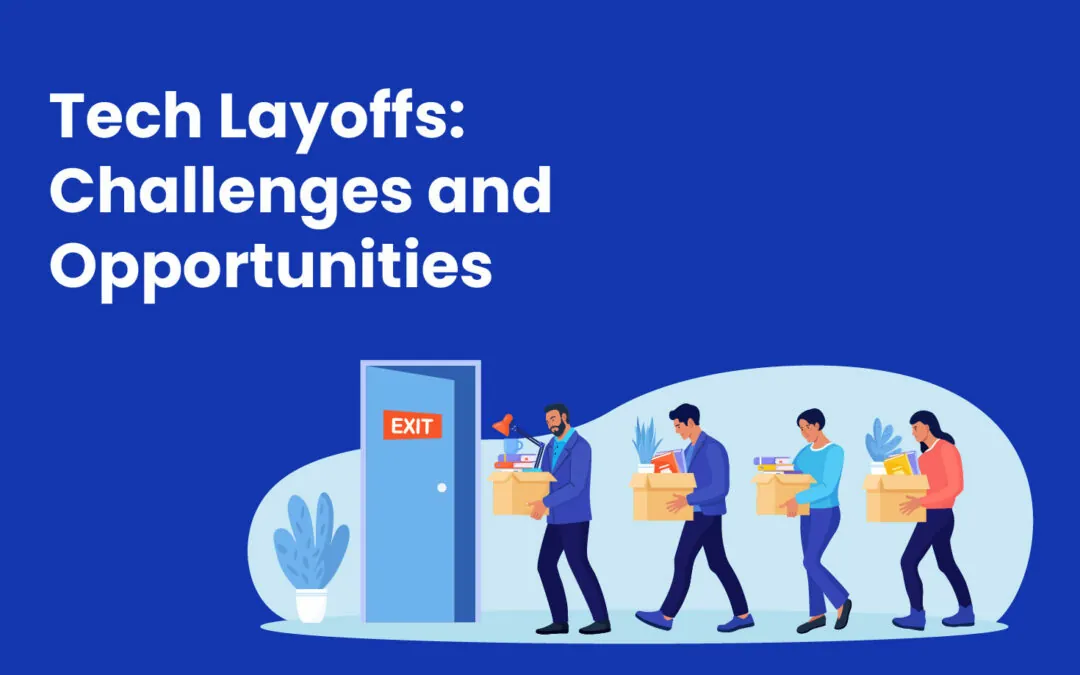
The tech sector, long celebrated for its breakneck growth and boundless optimism, now faces a harsh reality: a wave of layoffs sweeping across the industry. From established giants like Google and Meta to promising startups that once embodied the future, companies are shedding employees at an alarming rate. This dramatic shift has sent shockwaves through the tech ecosystem, leaving workers scrambling for answers and grappling with uncertainty about their futures
The complexities surrounding the current wave of tech layoffs. Let us understand the key factors driving this trend with its far-reaching impact on the global job market and the long-term implications for the tech labour market. By understanding these issues, we can empower tech professionals to navigate this challenging landscape and identify potential opportunities within it.
Tech Layoffs: Why It’s Happening
Recent layoffs in tech aren’t just about cutting costs. The world is facing some bumps (like the pandemic and conflicts), making it tougher for companies to predict the future. This means tech companies are taking a step back to see where they can save money and focus on what’s most important to their business right now. Sometimes, this means letting some employees go.
Technological Disruptions and Skill Misalignments
The relentless march of technological progress continues to reshape the landscape of the tech industry, introducing automation, artificial intelligence, and digitization as disruptive forces. While these innovations offer opportunities for growth and efficiency, they also necessitate a workforce equipped with the requisite skills to navigate the evolving terrain. However, mismatches between existing skill sets and emerging job requirements can leave employees vulnerable to displacement amidst the tumult of layoffs.
What are the reasons behind the recent wave of tech layoffs?
The recent wave of tech layoffs isn’t driven by a single factor, but rather a complex interplay of economic and strategic forces. A potential economic slowdown, driven by rising interest rates and recession fears, is pushing companies to become more cost-effective, often through workforce reductions. Additionally, tech companies themselves are undergoing restructuring, streamlining operations and potentially eliminating redundant positions or consolidating roles
Automation is another factor at play, as it displaces workers in areas where machines can perform tasks more efficiently. Furthermore, some companies are choosing to outsource work to countries with lower labour costs, reducing their domestic headcount. Mergers and acquisitions also contribute to layoffs as companies eliminate redundancies and restructure their teams. Finally, even startups, facing funding challenges, might be forced to implement workforce reductions.
What sectors within the tech industry are most affected by layoffs?
While the impact of layoffs is felt across the tech industry, some sectors seem to be bearing the brunt more than others. Companies focusing on hardware development and manufacturing might be experiencing a greater number of job cuts as automation takes hold in these areas. Additionally, sectors reliant on advertising revenue, such as social media and online advertising platforms, might be scaling back due to economic concerns impacting advertising budgets. Startups across various tech sectors, especially those struggling to secure funding, are also facing significant workforce reductions. It’s important to note that specific layoffs can vary depending on the company and its core business, but these sectors seem to be particularly vulnerable in the current climate.
What skills are in demand for tech professionals amidst layoffs?
While recent layoffs have shaken the tech industry, they’ve also shed light on the most in-demand skills. Companies are refocusing their efforts on areas crucial for future growth, creating a surge in demand for these specific tech roles and skillsets:
● Artificial Intelligence (AI): With massive investments and billion-dollar valuations in AI, companies are aggressively seeking top talent in this field. Google’s Bard and Microsoft’s investment in ChatGPT showcase the growing importance of AI, particularly in areas like advanced chatbots.
● Cloud Engineers: The rise of AI goes hand-in-hand with the need for cloud engineers. These specialists design and manage cloud services like Azure and AWS, demanding a deep understanding of web development and containerized applications.
● Cybersecurity Experts: Data security remains a top concern, making cybersecurity skills highly sought-after. These professionals develop, implement, and test security protocols, safeguarding networks from cyber threats like malware and data breaches.
● Data Scientists: Companies are recognizing the power of data-driven decision-making. They require professionals with expertise in analytics, data engineering, and machine learning. Proficiency in languages like Python, Java, SQL, and C# is essential for these roles.
● User Interface (UI) Designers: As customer experience takes centre stage, companies need UI designers. These specialists create user interfaces that are visually appealing, user-friendly, and functional. They excel in crafting engaging layouts that highlight product benefits and cater to diverse user needs.
Charting a Path Forward
As the tech sector grapples with the complexities of mass tech layoffs, stakeholders are called upon to collaborate and innovate in pursuit of a brighter future. By embracing technological disruptions, fostering a culture of lifelong learning and adaptability, and prioritizing the well-being of their workforce, companies can navigate the challenges posed by layoffs and emerge stronger and more resilient. Similarly, employees are encouraged to seize opportunities for self-improvement, leverage available resources for career transition, and embrace change as a catalyst for personal and professional growth.
The Ripple Effect: How Tech Layoffs Impact the Job Market
The human cost of tech layoffs is undeniable. Skilled workers face unemployment, financial strain, and a loss of professional momentum. This can create a ripple effect throughout the economy, impacting consumer spending and confidence. Furthermore, these layoffs can have a chilling effect on overall job security within the tech industry. Workers who remain employed might experience heightened anxiety about their own positions. This can lead to a decrease in morale and productivity. The impact isn’t limited to the tech sector. As laid-off workers re-enter the job market, they may compete for positions in other industries, potentially affecting job security and wages across the board
The Situation in India: While tech layoffs are a global phenomenon, India has also seen its share of workforce downsizing. Some reports suggest a slight decrease in startup layoffs compared to previous quarters, but major tech companies are still implementing job cuts.
Conclusion: A Time for Resilience and Adaptation
The tech industry is currently experiencing a period of significant change. While the wave of layoffs presents challenges, it’s also a time for resilience and adaptation.
Moving Forward
The tech industry is known for its constant evolution. This period of upheaval, while challenging, is also an opportunity for growth and transformation. By staying informed, adaptable, and continuously developing your skillset, you can navigate this landscape and emerge stronger.
Remember, the tech industry is a resilient one. To overcome these challenges and build a more sustainable and prosperous future for the tech workforce.
A Note of Hope
Despite the constant headlines about layoffs, it’s important to remember that there are still companies hiring. This period presents a valuable opportunity for smaller and mid-sized companies to scale their operations and attract talented individuals who have been recently laid off from larger tech firms.
Prompt Personnel can assist organizations in finding these job seekers in their search. With an extensive network of talent looking for opportunity working with you.
FAQs:
-
- Will tech layoffs continue in 2024?
Economic jitters (potential recession, inflation) and evolving business needs (streamlining, new tech adoption) are forcing tech giants to restructure, leading to layoffs in 2024.
- Are Tech Layoffs Happening Because of AI?
While some companies might cite a focus on AI as a reason for layoffs, the bigger picture is more nuanced. It’s likely not about outright replacing workers with AI, but rather restructuring teams to have fewer employees with stronger AI expertise. This allows companies to leverage AI more effectively while potentially reducing overall workforce size.
- Is India Experiencing Tech Layoffs in 2024?
Yes, layoffs have been happening in the Indian tech sector in 2024. Several companies have announced job cuts as part of cost-saving measures and restructuring plans. While the impact is felt globally, India has also seen its share of these workforce reductions.
- Will There Be More Job Cuts in 2024?
The future remains uncertain, but there are signs that the pace of tech layoffs might be slowing down. While some tech giants like Google continue restructuring and reducing workforce, the overall number of layoffs seems to be decreasing compared to earlier months of 2024.
- Will there be more layoffs in 2024?
Massive layoffs across the labour market aren’t likely in 2024. Despite some worrisome trends in the IT sector, widespread layoffs throughout the labour market still aren’t likely to happen anytime soon under current conditions, according to different reports.
- Are tech companies still laying off?
As of March 2024, more than 100s of tech companies have laid off more than 50,000 of workforce in 2024, according to Layoffs fyi. The overall labour sector appeared strong in 2022 and into 2023, but the tech sector layoffs tend to be the most visible.
- What is the impact of automation on tech jobs?
A: Automation is a double-edged sword. While it eliminates repetitive jobs due to efficiency gains, it also creates new opportunities in areas like automation management, data analysis, and cybersecurity.
by Prompt Personnel | Apr 30, 2024 | Human Resources, Job, Uncategorized
Introduction
In today’s dynamic business landscape, the role of Human Resources (HR) has evolved significantly. HR professionals are no longer confined to administrative tasks but are strategic partners in driving organizational success. Whether you’re an aspiring HR professional or a seasoned leader, job seeker understanding key HR concepts and terms is paramount. These terms serve as the foundation upon which effective people management strategies are built. Let’s delve into why knowing these terms is crucial and how they can benefit individuals and organizations alike.
Importance of Understanding HR Words and Terms
Enhancing Communication and Collaboration
By familiarizing yourself with HR concepts and terms, you can effectively communicate with colleagues, employees, and stakeholders. Clear communication fosters collaboration and ensures everyone is on the same page regarding HR policies, procedures, and initiatives.
Mitigating Legal Risks
Understanding HR concepts such as compliance, equal employment opportunity, and labor relations helps organizations navigate complex legal frameworks. By adhering to relevant laws and regulations, businesses can mitigate legal risks and safeguard against potential liabilities.
Improving Decision-Making
HR concepts provide valuable insights into workforce dynamics, enabling data-driven decision-making. Whether it’s talent management, performance evaluation, or succession planning, knowing these terms equips leaders with the knowledge to make informed decisions that drive business growth.
Fostering Employee Engagement
Employee engagement is crucial for organizational success, and HR concepts play a pivotal role in fostering a positive work environment. Concepts like diversity and inclusion, talent management, and performance feedback contribute to creating a culture where employees feel valued, motivated, and committed to their work.
Supporting Organizational Growth
As businesses expand and evolve, HR concepts such as workforce planning and talent acquisition become increasingly important. Knowing these terms allows organizations to anticipate staffing needs, attract top talent, and effectively scale their operations to support growth objectives.
Read more about Top AI Jobs for 2024
The Top 15 HR Words and Terms
- Job Rotation: Job rotation involves systematically moving employees between different roles or departments within an organization. This practice helps employees gain diverse skills, experiences, and perspectives while reducing boredom and burnout. It also enables organizations to cross-train employees and enhance flexibility in workforce deployment.
- Succession Planning: Succession planning is the process of identifying and developing internal talent to fill key leadership positions within an organization in the future. It ensures a smooth transition of leadership roles and minimizes disruptions to business operations. By grooming high-potential employees, organizations can mitigate succession risks and maintain continuity.
- Redeployment: Redeployment refers to the process of reallocating employees to different roles or projects within the organization, often as a result of organizational restructuring, workforce optimization, or changes in business needs. It aims to retain valuable talent, enhance employee engagement, and optimize resource utilization.
- Employee Resource Group (ERG): An employee resource group (ERG) is a voluntary, employee-led organization within a company that serves as a support network and advocacy group for employees who share a common identity, background, or interest. ERGs promote diversity, inclusion, and belonging by providing networking opportunities, mentoring, and cultural awareness initiatives.
- Holacracy: Holacracy is a decentralized organizational structure that distributes authority and decision-making power across self-organizing teams or “circles.” It replaces traditional hierarchical management with a system of distributed leadership, autonomy, and accountability.
- Attrition: Attrition refers to the voluntary or involuntary departure of employees from an organization over a specified period. It can result from factors such as retirement, resignation, or termination. Understanding attrition rates and reasons is crucial for HR professionals to identify underlying issues, implement retention strategies, and maintain a stable workforce.

Commonly Confused HR Terms Explained
- JD vs JS (Job Description vs Job Specification): A job description (JD) outlines the duties, responsibilities, and qualifications required for a particular job role. On the other hand, a job specification (JS) details the specific skills, knowledge, and attributes necessary for successful performance in that role. While a JD focuses on tasks and responsibilities, a JS focuses on the qualifications and attributes of the ideal candidate.
- Job Enrichment vs Job Enlargement: Job enrichment involves enhancing a job by adding tasks that require more skill and responsibility, leading to increased autonomy and job satisfaction. Job enlargement, on the other hand, involves expanding a job’s scope by adding more tasks of similar complexity, aiming to reduce monotony and increase variety.
- Recruiting vs Sourcing: Recruiting involves the entire process of attracting, identifying, and hiring candidates for job vacancies within an organization. Sourcing, however, specifically refers to the initial stage of identifying and attracting potential candidates through various channels such as job boards, social media, and networking.
- Recruitment vs Staffing: Recruitment is the process of actively seeking out and attracting candidates to fill job vacancies within an organization. Staffing, on the other hand, is a broader term that encompasses all activities related to managing and deploying a workforce, including recruitment, selection, placement, and retention.
- Recruitment vs Selection: Recruitment involves attracting and identifying potential candidates for job vacancies, while selection involves assessing and choosing the most suitable candidates from the pool of applicants. Recruitment is about generating interest and applications, while selection focuses on evaluating candidates’ qualifications and fit for the job.
- Training vs Development: Training refers to the process of teaching specific skills and knowledge required to perform a particular job or task effectively. Development, on the other hand, is a broader term that encompasses activities aimed at enhancing employees’ overall capabilities, potential, and career growth, often focusing on long-term personal and professional growth.
- Employee Engagement vs Employee Satisfaction: Employee engagement refers to the emotional connection and commitment employees have towards their work, organization, and its goals. It involves factors such as motivation, involvement, and enthusiasm. Employee satisfaction, on the other hand, is a measure of how content employees are with their job, work environment, and organizational policies. While satisfaction reflects a general feeling of contentment, engagement goes beyond to encompass emotional and psychological investment in the organization’s success.
Trending Workplace Terms Among Gen Z Employees
In the fast-paced digital landscape serves as a hub for the exchange of ideas and trends, especially among Gen Z employees. Here are two trending workplace terms used by GenZs:
- Boomerang Employees: Boomerang employees refer to individuals who leave a company for a while and then return to work for the same organization later in their careers. This phenomenon has gained traction as the gig economy grows and professionals seek diverse experiences.
- Career Cushioning: Career cushioning is a term used to describe the practice of maintaining multiple job opportunities or side gigs as a form of financial security and career stability. Particularly popular among Gen Z employees who prioritize flexibility and autonomy in their careers.
Conclusion
In conclusion, familiarizing yourself with these unique HR concepts and terms goes beyond traditional HR knowledge and equips you with the insights and strategies needed to thrive in today’s rapidly evolving workplace. Whether you’re a business leader, HR professional, employee or jobseeker embracing these concepts can drive organizational success, foster a culture of innovation, and create a more inclusive and engaging work environment.
FAQs:
- Why are HR concepts and terms important for businesses?
Understanding HR concepts and terms is essential for businesses to effectively manage their workforce, attract top talent, and maintain a positive work environment. It helps businesses align their HR practices with organizational goals and ensures compliance with legal regulations.
- How can HR concepts benefit employees?
HR concepts such as performance management, talent management, and diversity and inclusion initiatives can benefit employees by providing opportunities for growth, recognition of their contributions, and fostering a supportive work environment where they feel valued and respected.
- What role does Prompt Personnel play as an HR end-to-end service provider?
Prompt Personnel serves as an HR end-to-end service provider, offering comprehensive solutions in recruitment, employee onboarding, performance management, compliance, and more. Their expertise helps businesses streamline their HR processes and focus on their core objectives.
- How can HR analytics improve decision-making within organizations?
HR analytics provides valuable insights into workforce trends, employee engagement levels, and performance metrics, enabling organizations to make data-driven decisions about talent management, resource allocation, and strategic planning. It helps HR professionals optimize their strategies and achieve better outcomes for the organization.
- What are some common challenges faced in HR management?
Common challenges in HR management include attracting and retaining top talent, managing workplace conflicts, ensuring compliance with employment laws, and adapting to technological advancements. HR professionals must continuously adapt and innovate to overcome these challenges and support the organization’s growth.
by Prompt Personnel | Apr 20, 2024 | Human Resources
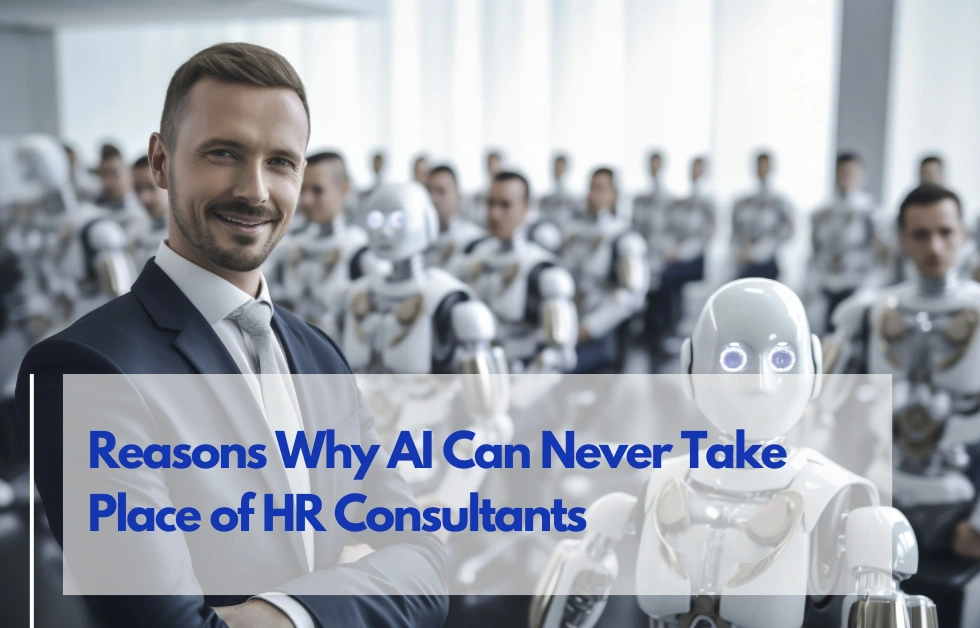
Artificial intelligence rapidly transforms various aspects of business operations in today’s data-driven world. Human resources are no exception, and with AI-powered solutions emerging for tasks like resume screening and candidate selection, it has become possible to integrate artificial intelligence and effectively streamline work. However, despite AI’s undeniable benefits in efficiency and automation, there are certain areas of operations where human intervention becomes of utmost importance. Thus, to ensure efficient and smooth workflow while streamlining the tasks for better results, it is crucial to understand the limitations of AI when it comes to replacing human HR consultants.
List of reasons why AI can never replace HR consultants.
-
Artificial Intelligence Can Never Be Human
Humans built AIs to help with operational tasks and save some time to focus on work that needs human intervention. Especially for HR management, managing human resources without humans is inevitable. Effective HR management goes beyond data analysis and automation. It requires a deep understanding of human needs, motivations, and emotions, some aspects AI cannot replicate. Building strong relationships with employees fosters a positive work environment and improves engagement and retention, ultimately driving business success. This is only possible because HR consultants excel in building these connections through effective communication, active listening, and empathy.
-
Artificial Intelligence Is Not Persuasive
Recruitment, performance management, and conflict resolution all require persuasive communication. Based on their experience and expertise, HR consultants tailor their approach to each situation. Human resource consultants leverage the vast knowledge and understanding of human behaviour and psychology to achieve the desired outcomes. AI, on the other hand, relies on pre-programmed responses based only on specific situations, which lacks the nuance and persuasion needed for effective communication in complex situations.
Empathy is the crucial differentiator; it is a critical quality that helps manage sensitive employee concerns, fostering a supportive work environment. HR consultants recognize and understand employee emotions, allowing them to provide necessary support and address issues effectively. AIs lack this ability, potentially leading to impersonal interactions and machine and uniform communication that lacks direction, resulting in missed opportunities to support employee well-being.
-
AI Lacks Emotional Intelligence
Human intelligence and emotional intelligence are two complicated parallels. HR consultants can analyze complex situations that involve emotions or require subjective judgment. AI works based on pre-determined notions. Thus, it becomes difficult for AI to change the approach and objective based on the situation. HR consultants consider factors like company culture, individual personalities, and past experiences to develop customized solutions. AI datasets, at times, can fail to capture these crucial aspects, limiting its ability to understand and manage complex HR scenarios.
-
Strategic HR Guidance Is Beyond AI Data
Data plays a role in HR but is not the only driving factor. HR decisions require strategic thinking and an understanding of the bigger picture. HR consultants leverage their experience and knowledge to provide guidance that goes beyond data analysis. While AI can help with data segregation and help objectively, human intervention becomes necessary for a subjective approach. HR consultants consider factors like business objectives, company culture, and long-term workforce strategy when developing and implementing HR initiatives.
-
HR Lacks a Subjective Approach to Addressing Unforeseen Challenges
Encountering unique situations is a common part of business, as is the need for immediate HR action. While AI models have set data and protocols for predefined scenarios, going beyond this set limit is not possible for a machine, thus lacking the subjective approach needed to address unforeseen challenges. This limitation hinders the ability to address unforeseen challenges effectively, highlighting the need for human intervention as soon as possible. HR consultants can leverage their experience and emotional intelligence to analyze these situations and provide solutions that help address the specific needs at hand.
The Importance of Human HR Expertise
While AI brings automation and efficiency benefits to the table, it certainly lacks the human touch necessary for effective HR management. The value proposition of human HR expertise is a non-negotiable constraint in the process. As one of the best HR consultants in India, Prompt Personnel assures you of offering top HR services in Mumbai that significantly impact your organization. Our team of HR consultants in India aims to foster a positive work environment and open communication by working closely with the employees and ensuring effective communication throughout. Our HR consultants in Mumbai work closely on every single account to adhere to the company culture, individual personalities, and industry trends, typically to develop custom-fit solutions that address your unique challenges and goals.
Partnering for Success
As one of the best HR consultants in India, we at Prompt Personnel go beyond standard, predefined data analysis to provide insights on current trends and ensure compliance with regulations. Our expertise and experience in the domain help you develop a comprehensive HR roadmap aligned with your long-term business objectives.
With 25 years of experience. Prompt Personnel is one of the best HR consultants in India. We offer a comprehensive suite of HR services, including temporary and permanent staffing, labour law compliance, talent management, and more. Prompt Personnel operates with core values of speed, empathy, and ethics and has grown to be a trusted partner for business across India and industries. With a presence in 7 major cities – Delhi, Bangalore, Pune, Chennai, Mumbai, Hyderabad, and Kolkata, and compliance capabilities in 28 states, we ensure that we provide end-to-end HR needs, allowing you to focus on core business activities.
Let us partner with you to develop and implement comprehensive HR strategies that drive employee engagement, retention, and business success.

by Prompt Personnel | Apr 15, 2024 | Human Resources
HR outsourcing is a strategic move for expanding companies seeking cost efficiency. By delegating tasks like payroll management, benefits administration, and recruitment to external firms, businesses mitigate the need for full-time staff, saving both time and resources. This approach allows companies to focus on core objectives while ensuring operational fluidity, employee satisfaction, and scalable growth.
HR outsourcing from a reputable firm offers numerous benefits crucial to business growth. These firms possess specialized expertise, extensive industry knowledge, and advanced technology, enabling them to deliver tailored staffing solutions efficiently. By leveraging their services, businesses can access top talent, streamline recruitment processes, and adapt to evolving workforce demands promptly. Moreover, outsourcing HR tasks to reliable firms alleviates administrative burdens, reduces costs, and ensures compliance with labour regulations. This strategic partnership enables companies to focus on core business objectives, foster innovation, and drive sustainable growth, ultimately enhancing competitiveness in the marketplace.
In our forthcoming discussion at Prompt Personnel, we will investigate the nuances of HR outsourcing and provide insights on leveraging our services to augment your organizational objectives.
Services Prompt Personnel Offers as One of the Best HR Outsourcing Companies
Temporary Staffing
It involves hiring workers for short-term assignments to meet immediate needs, such as seasonal demands, special projects, or employee absences. These workers are typically employed by us, which provides you with flexible business staffing solutions besides other assistance like bulk hiring of contractual staff, managing end-to-end payroll operations and allowing you to focus on core competencies. This way with our flexible staffing modules, your company can aim for growth by mitgating incorrect hiring risks, reducing operational costs and improved scalability opportunities.
Permanent Recruitment
It helps businesses find and engage full-time employees in leadership hiring across India. Such professionals handle tasks such as sourcing candidates, conducting interviews, screening resumes, and managing the hiring process until a suitable candidate is hired for a permanent position within the client’s organization. This service alleviates the client’s recruitment burden, letting them focus on their core business goals while ensuring they attract and retain top talent.
Labour Law Advisory and Compliances
This service ensures that businesses adhere to legal requirements related to employment. It includes advising on labour laws, regulations, and best practices, and helping companies implement policies and procedures to remain compliant. Additionally, we as an HR outsourcing firm assist with audits, documentation, and resolving issues related to labour law compliance, helping businesses mitigate risks and operate within the bounds of the law. The sub services we offer under this section include:
- Compliance audits for Principle employers and contractors
- Implementation of NAPS (National Apprenticeship Promotion Scheme)
- Industrial relations
- Monthly compliances
- POSH training
- Regulatory Compliance
Training and Development
Training and development involve designing and delivering programs to enhance employee skills, knowledge, and performance, supporting businesses in achieving their growth and development objectives.
Background Verification Services
Background verification involves checking potential employees’ backgrounds, including criminal records, employment history, education credentials, and references. It helps businesses make informed hiring decisions and ensures the integrity and safety of their workforce.
Outplacement Services
Outplacement services provided by HR outsourcing companies assist displaced personnel in finding new employment opportunities and transitioning smoothly into new roles.
Why Outsource Our HR Services?
HRIS System
At Prompt Personnel, we use top-notch technology and an advanced HRIS system to make our organization work efficiently. Our HRIS systems are among the best and always reliable. They help us manage our human resources better throughout the company. This system makes it simple to do all HR tasks smoothly.
Cost-Effective
HR management is demanding and involves detailed planning, scheduling, and profile analysis. Outsourcing HR to Prompt Personnel lightens this burden, allowing focus on core operations for company growth. We handle all HR needs, freeing time for critical business functions.
Expertise
We have a team of skilled professionals across India specializing in recruitment, operations, and HR management. Prompt personnel is an HR expert knowledgeable about all the tricks and tactics. We offer standardized HR solutions from top experts in the field.
Support and Flexibility
At Prompt Personnel, we prioritize our customers. Our systems and actions are designed to offer excellent support. We’re always available and flexible to meet our clients’ needs.
Reduce the Burden of HR
Managing a company’s workforce is complex and requires planning and a dedicated team. Prompt personnel can efficiently handle various HR tasks, such as background checks, payroll, employee assistance, risk management, and performance reviews.
Hire Prompt Personnel for Unfolding Professional Staffing Solutions for your Organization
As one of India’s top HR outsourcing companies, Prompt Personnel believes that managing HR functions can be complex and time-consuming for businesses. With changing laws, staying compliant is crucial to avoid legal issues. We help navigate these complexities and reduce risks by providing HR outsourcing services.
Our offerings, like payroll processing and compliance, are tailored to each business’s needs, saving time and resources. We also offer temporary staffing, permanent recruitment, and talent management solutions. By being one of the best HR outsourcing companies, our experienced HR professionals provide strategic advice and ensure compliance with laws and regulations. To know more about the offerings of HR outsourcing services in Mumbai, Chennai, Bangalore, Delhi, Hyderabad, Kolkata, and Pune explore our official page today.

by Prompt Personnel | Mar 15, 2024 | Human Resources
When it comes to performance management, KRAs and KPIs have been the most common parameters for analyzing growth and success. While both the terms offer the same goal of bringing growth and success to the company, understanding the KRA vs KPI difference can help companies and employees better manage their workflow and growth. Best HR consultants in India always focus on developing précised KRAs and KPIs to ensure that the base for success is well-defined and clear. Here, you can explore detailed insights about KRA and KPI, their basic differences, and why they are important for a company’s growth.
What is KRA?
KRA, or Key Result Area, are strategic performance management tools that help to define and assess employee outcomes that can lead to organizational or individual success. KRAs are planned based on specific roles, highlighting areas where performance significantly impacts the objectives of an organization. While they are vital for aligning individual efforts with organizational goals, they help to provide clarity to employees and allow focused efforts on tasks to contribute directly to success. This helps optimize resource utilization and work on a unified purpose.
Moreover, KRAs establish a framework for performance evaluation, allowing managers to objectively assess performance, offer constructive feedback, identify training needs, and reward high performers using effective HR performance evaluation tools. KRAs enhance employee morale by linking their work to set goals and build engagement, motivation, and job satisfaction, eventually boosting productivity and employee retention.
From a revenue point of view, KRAs help to build business performance by focusing on revenue generating areas like sales, customer satisfaction, product quality, etc. Efficient management ensures proper resource utilization and directs efforts towards activities that can help gain high returns and enhance overall revenue and financial performance.
What is KPI?
KPIs, or Key Performance Indicators, are a measuring system that helps evaluate the effectiveness of an employee or department of the organization in achieving key objectives. These are essential for evaluating progress towards planned goals and comparing performance against set targets or KRA. KPIs are vital for providing complete insights about performance, allowing for focused attention on critical operational aspects and real-time performance tracking. This leads to timely decision-making, addressing the strengths and weaknesses of an employee, and promptly maintaining the plan toward achieving the objectives through performance management with KPIs and KRAs.
KPIs aid in accountability and alignment by precisely linking individual, team, or department performance to company goals. This enables a culture of ownership and motivates employees to contribute to the organization’s success. KPIs enhance employee dedication by offering clarity on objectives and demonstrating how efforts contribute to growth and success. Regular monitoring and feedback based on KPIs help recognize and reward high performers using HR performance evaluation tools, boosting morale and job satisfaction.
From a revenue perspective, KPIs help improve business performance by aligning key objectives like sales growth, customer satisfaction improvement, or cost reduction. This enables tracking progress toward targets, identifying the scope of enhancement, and making data-based decisions to optimize resource allocation.
Difference Between KRAs and KPIs
Key Result Areas (KRAs) and Key Performance Indicators (KPIs) are both essential parts of effective performance management within a company. While both are interdependent on each other, understanding the KRA vs KPI difference helps clarify that they serve different purposes in helping attain growth and success. KRAs drive the areas of responsibility and strategic objectives for employees, teams, and departments. It provides a complete view of the outcomes vital for the company’s success. On the other hand, KPIs are useful in valuing the set KRAs achieved in metrics. It offers quantifiable measures of progress towards achieving the desired outcomes and focuses on how well the targeted KRA has been accomplished.
While KRAs set the strategic plan and define the broader goals, KPIs provide measured means to track performance against those goals in a quantifiable manner. Both KRAs and KPIs are crucial for a company because they help create a framework for aligning employee efforts with company objectives and goals. They help enable effective performance evaluation, facilitate strategic decision-making, and promote continuous improvement. By defining KRAs and setting corresponding KPIs, companies can ensure clarity of purpose and accountability and ultimately drive towards achieving their overarching goals and objectives.
Mistakes Companies Make with KRAs and KPIs
Not Linking KRA with KPI
Companies tend to overlook the basic connection between Key Result Areas (KRAs) and Key Performance Indicators (KPIs). While KRAs outline strategic objectives, KPIs measure progress within the defined areas. Failing to align both within a company can lead to inefficiency and slow growth, as employees may not understand how their efforts and actions contribute to the company’s broader goals. Understanding the KRA vs KPI difference and linking both KRA and KPI will ensure clarity and more organized growth.
Measuring Everything That is Easy
Relying solely on the benchmarks created by the industry can lead to false goals, which will not lead to success. The basic criteria should be customizing the KRA and KPI based on individuals and the company’s personal vision. HR services focus on a personalized approach to setting KPIs, considering individual strengths, weaknesses, and aspirations, using relevant KPIs and KRAs examples to empower greater engagement and job satisfaction, and ultimately drive better performance.
Measuring Based on Market Standards and Not on Personal Goals and Profile
Relying solely on the benchmarks created by the industry can lead to false goals, which will not lead to success. The basic criteria should be customizing the KRA and KPI based on individuals and the company’s personal vision. HR services focus on a personalized approach to setting KPIs, considering individual strengths, weaknesses, and aspirations, empowering greater engagement and job satisfaction, and ultimately driving better performance.
How Do HR consultants in India help with KRA and KPI setting?
HR consultants in India help assist companies with KRA and KPI setting through several key strategies. They bring their firsthand experience by dealing in various industries. Being well aware of labour laws, recruitment strategies, training, and planning, etc., HR services can help build personalized services for developing KRAs, KPIs, and other employment and growth-related factors. Using the SMART technique – Specific, Measurable, Achievable, Realistic, and Time-bound metrics, the consulting firms help enhance clarity and effectiveness in performance management with KPIs and KRAs. Anticipating and addressing challenges such as resistance to change or lack of alignment, HR services can develop strategies for successful implementation.
Focusing on offering growth solutions that are personalized based on your company’s goals and vision, hiring HR consultants in Mumbai can allow you to effectively monitor KRAs, KPIs, and other metrics using reliable HR performance evaluation tools for tracking growth and success. Prompt Personnel, the best HR consultants in Mumbai, offers you a diverse range of services, including permanent and temporary staffing, contract staffing, industrial relation advisory, labour law compliance, and others that can help you align your company with current market trends. With 25+ years of experience and a presence in PAN India, we cater to all your requirements with a personalized approach. Recognizing as the best HR consultants in India, we help companies create a positive and engaging workplace; we ensure that your company is future-ready for coming endeavors.